Skip to content

Rozhan Bagheri

Group Exhibition

Opening on 12th June 2026
On View until 3rd July 2026

Curated by Mahoor Toosi
Assistant: Mahta Azimi
Artists: Arezou Zandi, Amir Karimi, Anahita Darabbeigi, Tina Sadeghian, Khashsyar Farhat, Hejazi Sisters, Delaram Zakeri, Rozhan Bagheri, Saeede Mighani, Solmaz Nabati, Siavash Sohrabinia, Ali Shayeste, Kazhal Fakhri, Koosha Moossavi, Mobina Fallah, Mohammad Eskandari, Masoud Soheili-Nezhad, Nafiseh Moeini

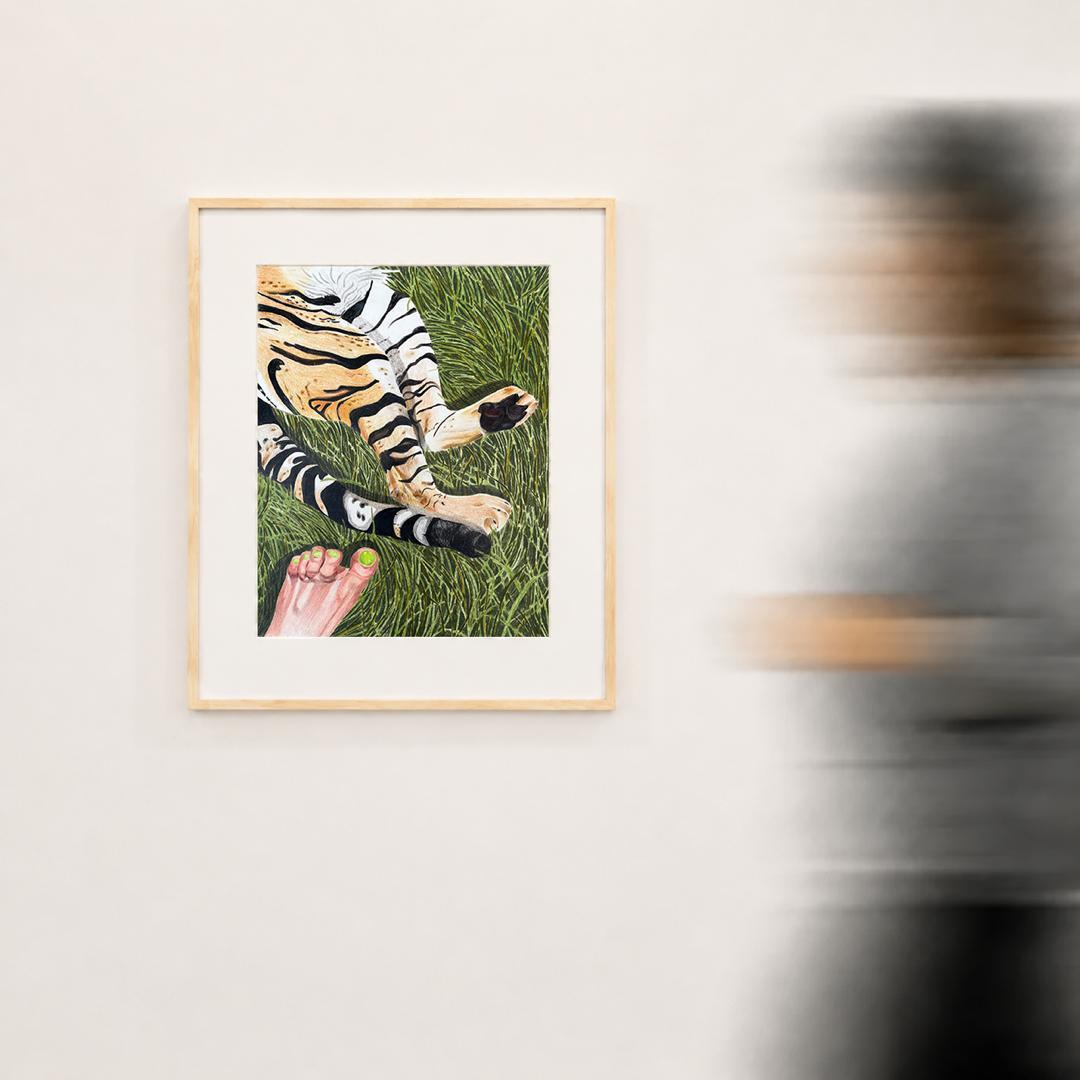
From this side of the world where we stand, one question has always occupied our minds: What will happen? A question born of anxiety, whose speaker seeks only one answer: It will be alright. A question emerging from repeated experiences of rupture and instability, from moments when the course of events slips beyond our will and predictability gives way to ambiguity and fate. This question arises from living within a condition in which our agency is often overpowered by forces external to ourselves; a world where, instead of constructing the future, we attempt to decipher it. Within the genealogy of culture, the Eastern mind has repeatedly been described as intuitive and revelatory: a mind that, rather than relying on archiving, categorization, and deductive logic, leans toward inspiration, direct perception, oral narration, and short-term answers. Yet this distinction has often emerged not from systematic study, but through Hasty Generalization: conclusions hastily drawn from limited observations, conclusions that overlook other forms of understanding and meaning simply because they do not conform to Western-centered models of rationality. Even Carl Gustav Jung, in his introduction to the translation of the I Ching, approached the subject sympathetically yet through a similar lens. By emphasizing the fundamental difference between Eastern and Western mental frameworks, he understood this non-linear and non-causal encounter with the world not as a deficiency, but as a possibility — a means of entering a network of meanings and the collective unconscious inaccessible to analytical reason. In this project, we do not attempt to criticize this distinction, nor do we seek to resolve it. On the contrary, we use it as the raw material of our work. By returning to the text of the I Ching and through the process of divination, we search for the starting point of artistic creation within a world of accidents and signs, without contaminating it with argumentation or logic. We allow meaning to emerge through an indirect and indeterminate encounter.

Solo exhibition of Rozhan Bagheri

Opening on 29th August 2025
On view until 12th September 2025

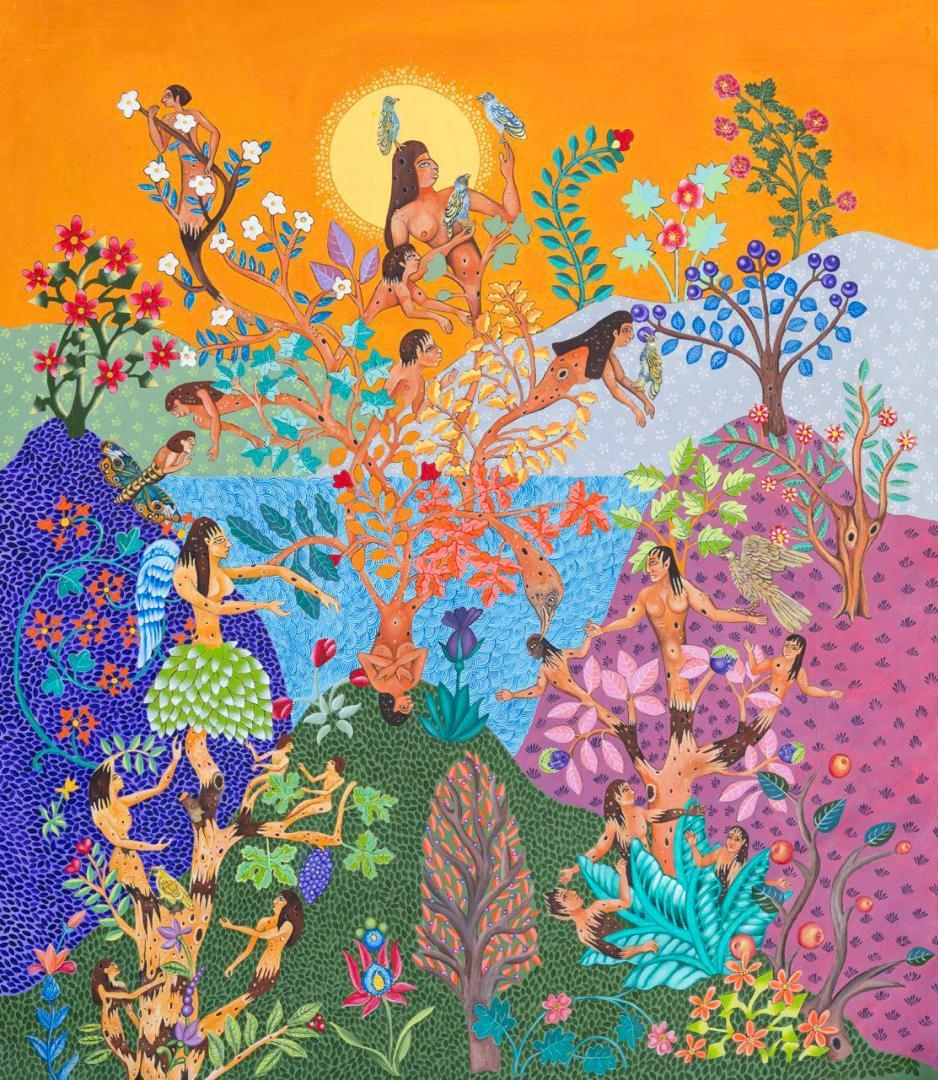
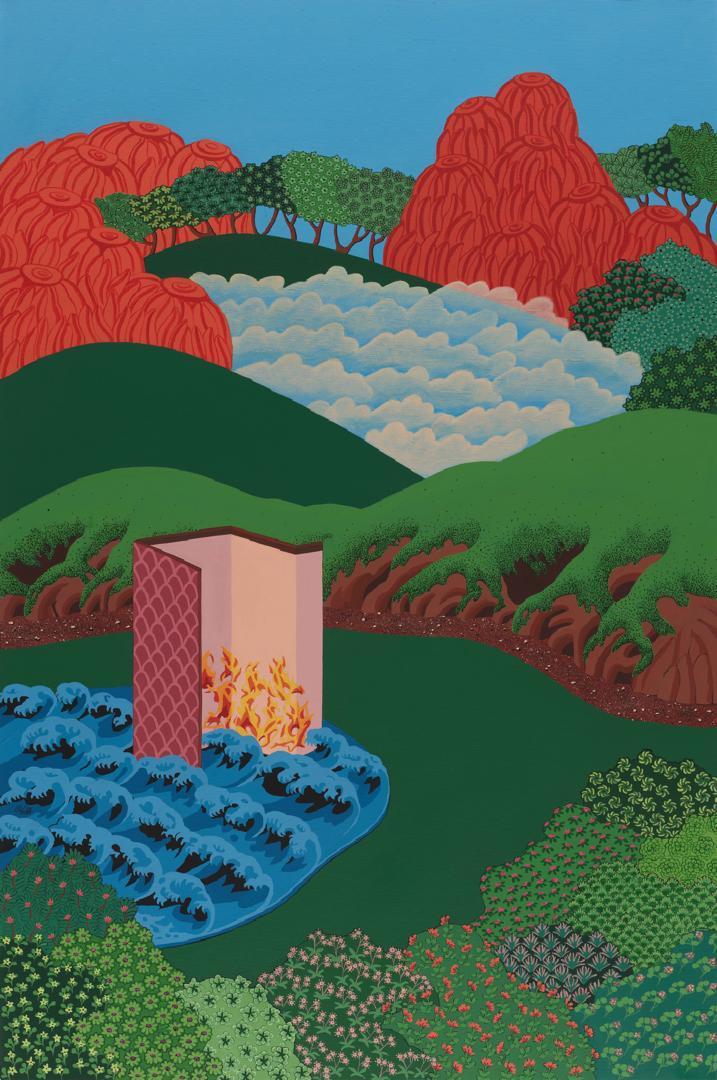
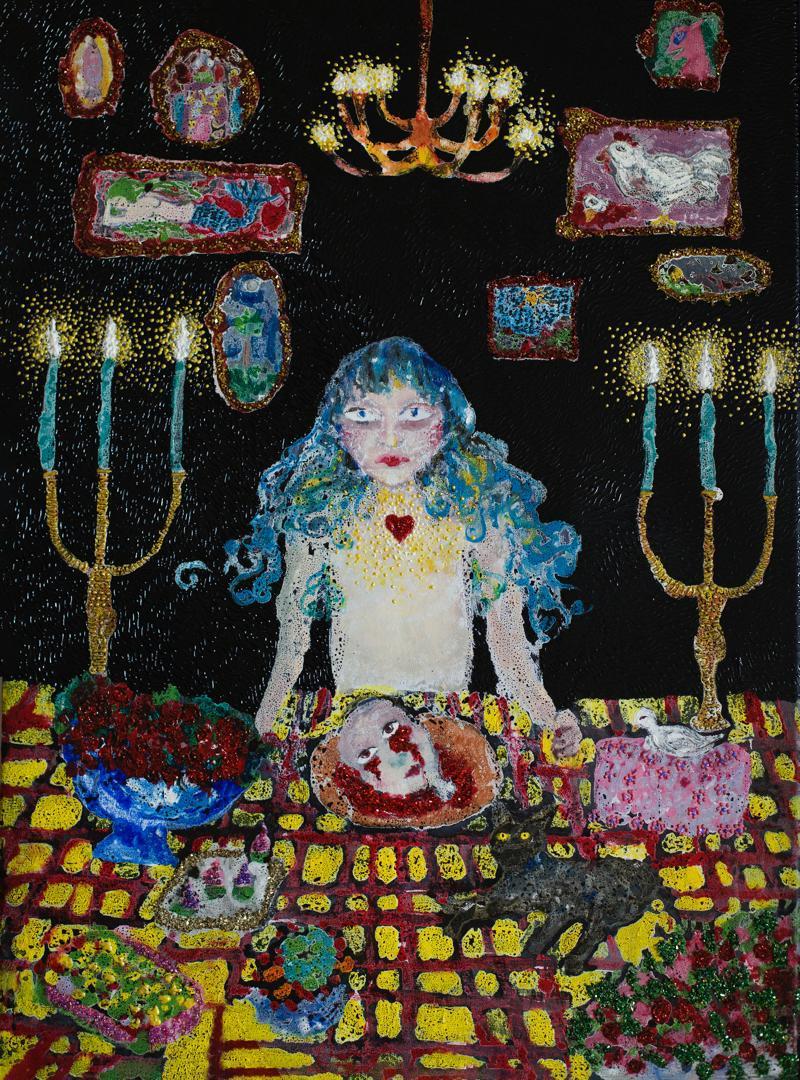
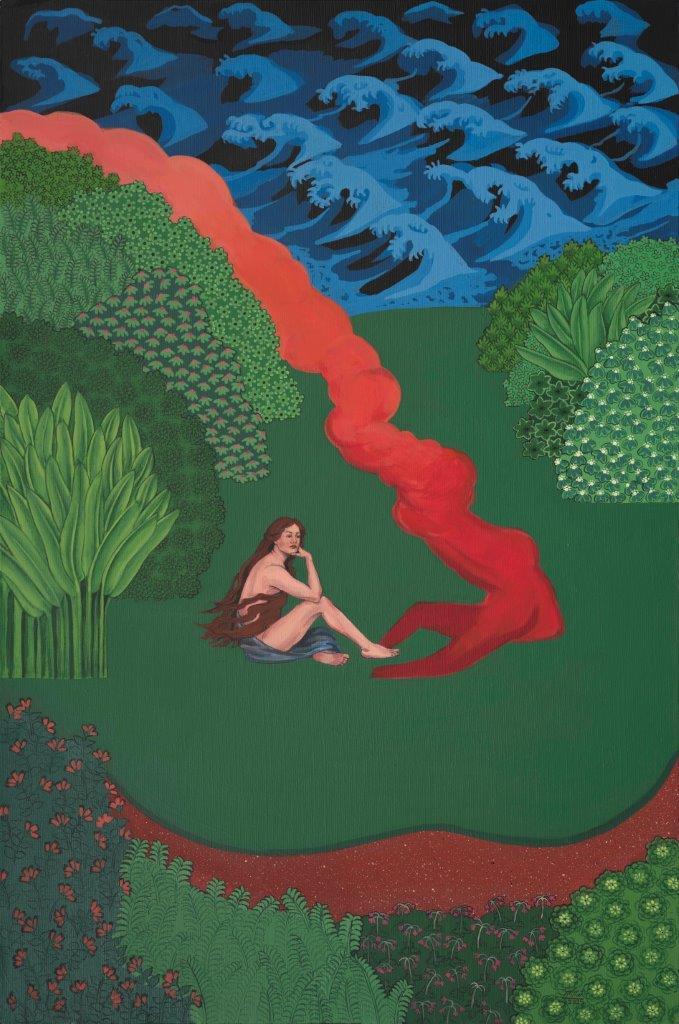
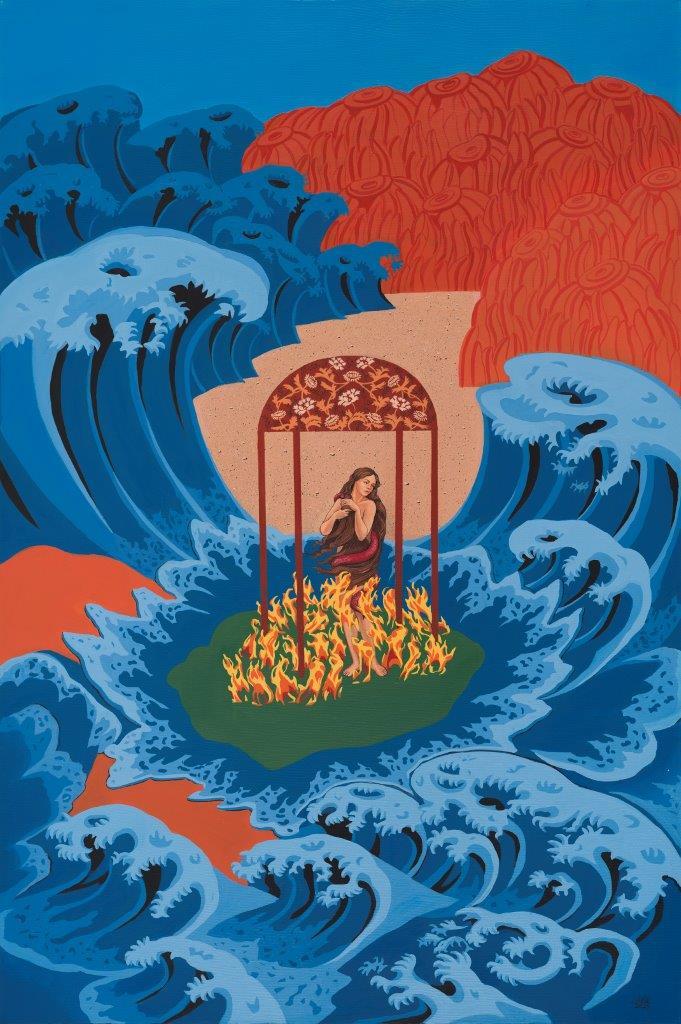
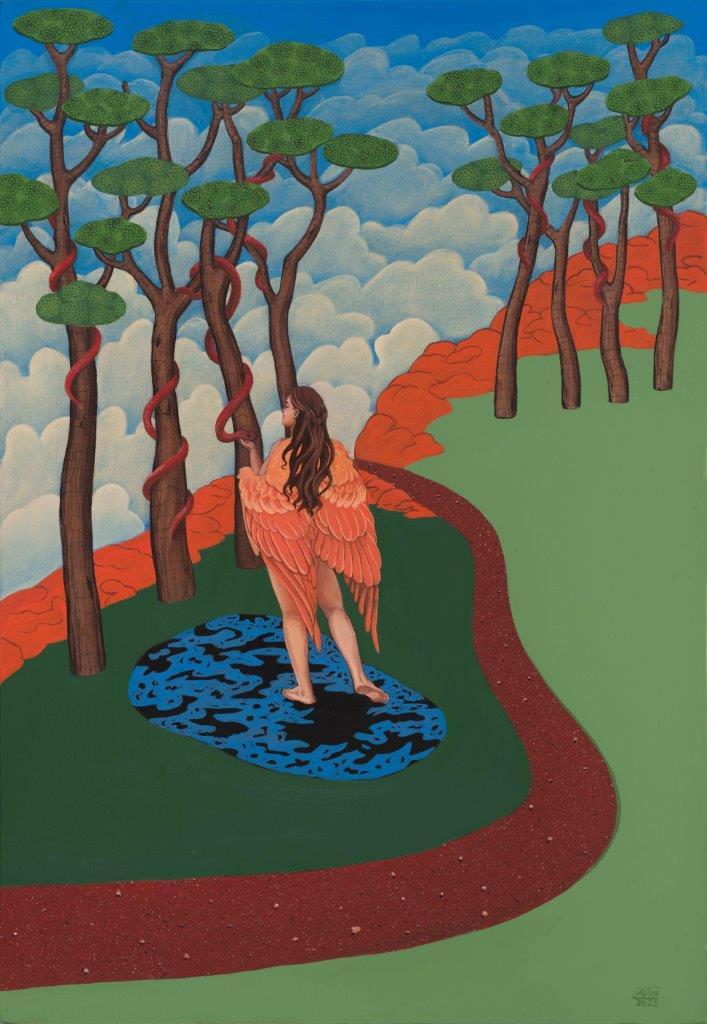
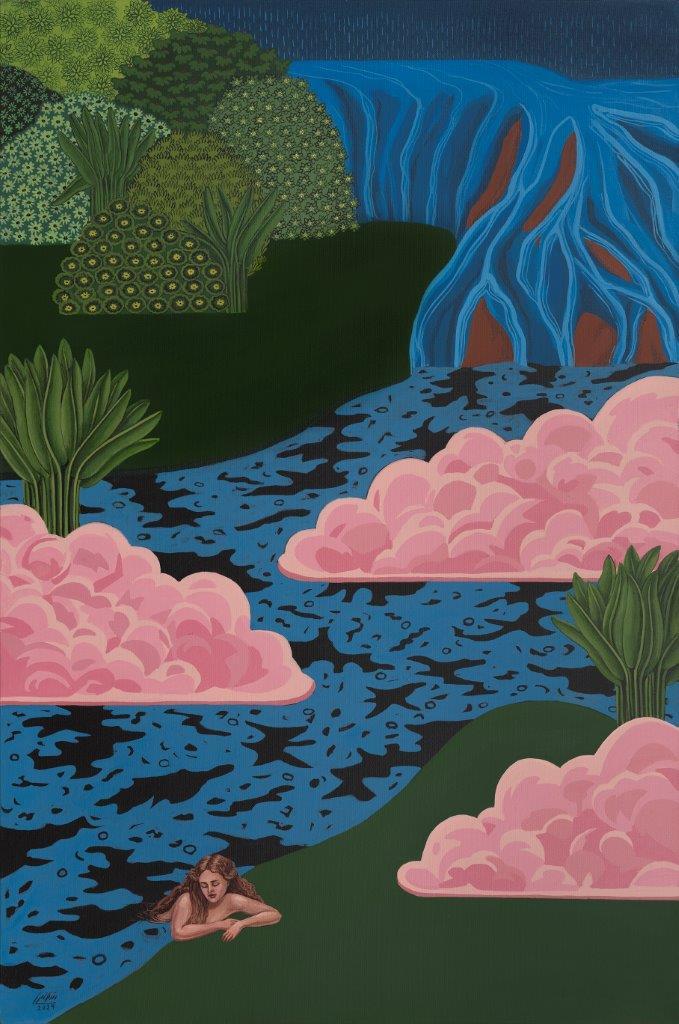
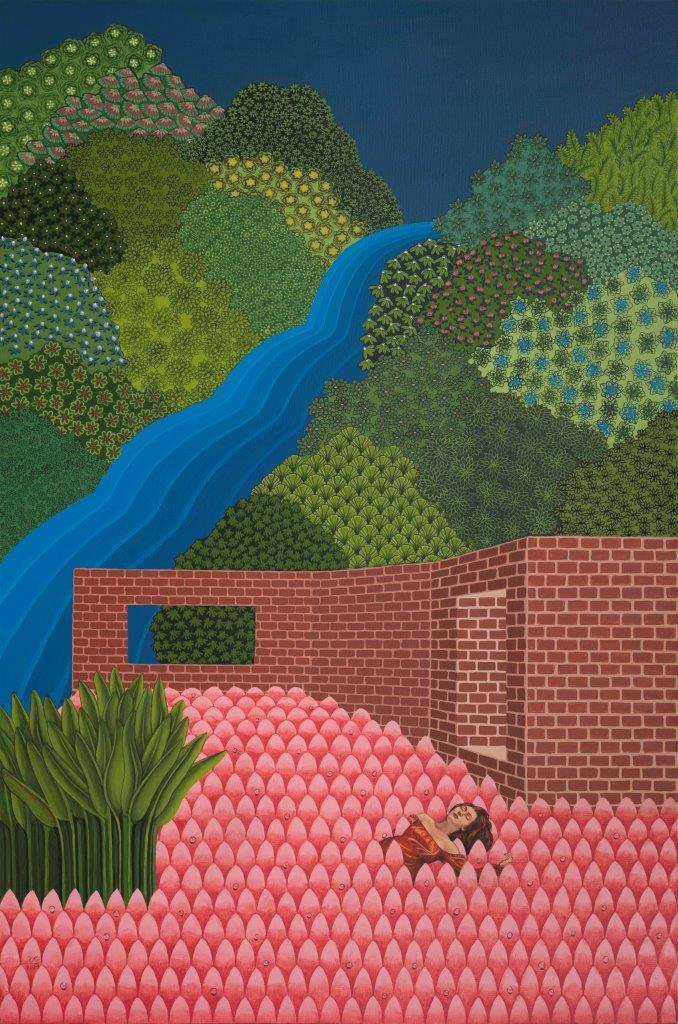
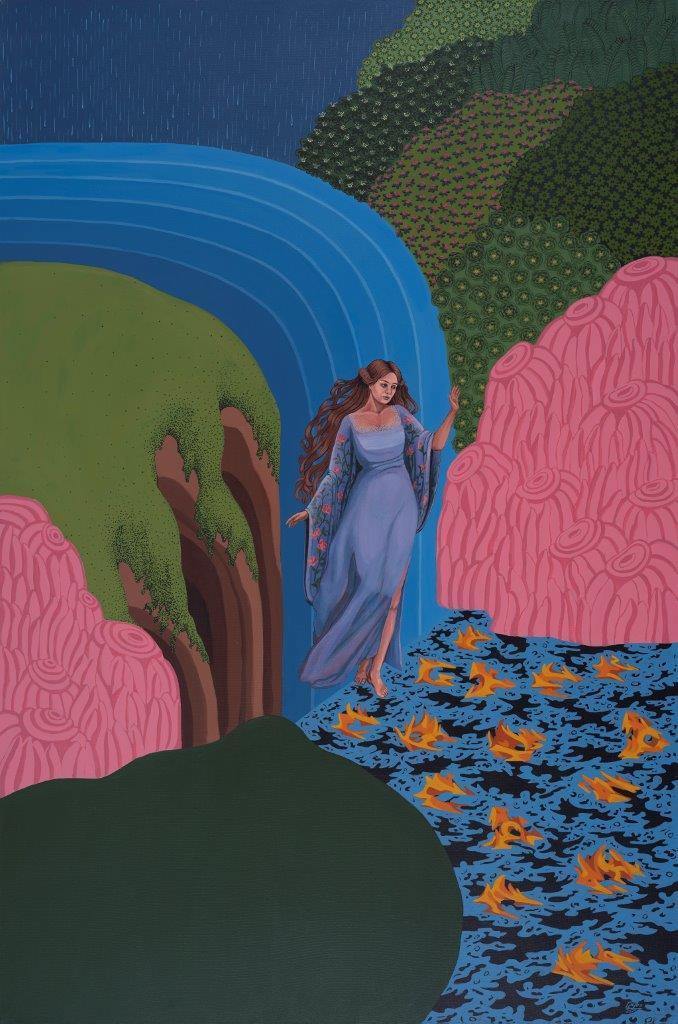
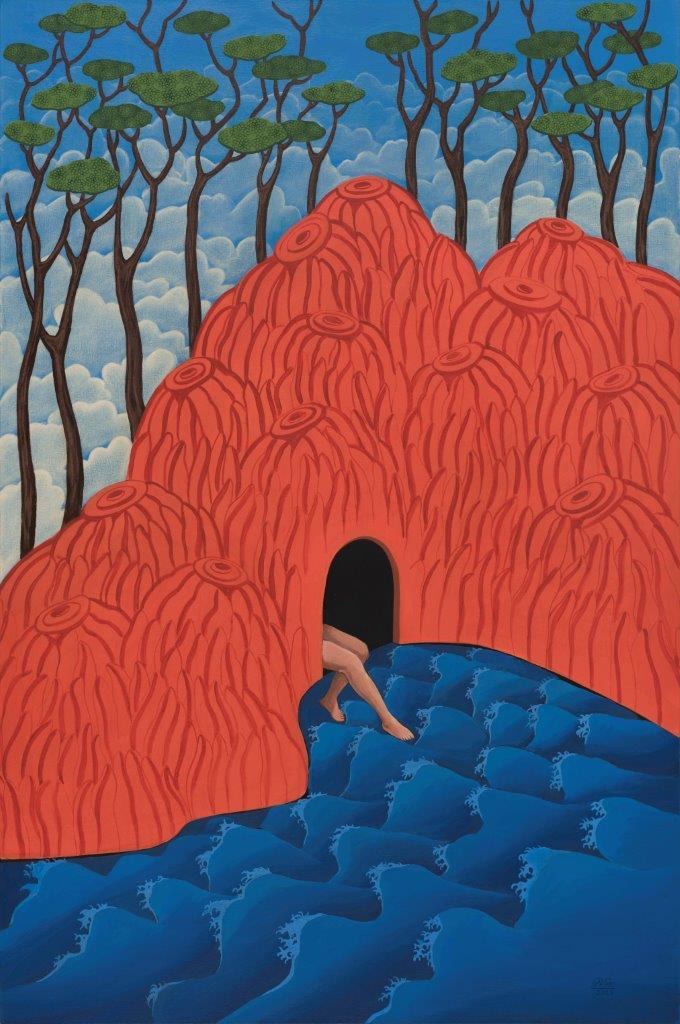
In the series Paradise: Lilith – Eve, Rozhan Bagheri presents a fresh and questioning narrative of two mythical female figures—women who, in traditional texts, have often been rejected, overlooked, or deemed guilty. Lilith—the first wife of Adam—based on mythological sources and in texts such as The Wisdom of Ben Sira, leaves Paradise because she refuses to submit. The angels sent to find her discover her in the midst of the sacred sea, yet she refuses to return. As a result, she is cursed, and a hundred of her children die each day. Often ignored in traditional accounts or cast as a demonic figure, Lilith here becomes a symbol of women’s independence and resilience. Meanwhile, Eve is depicted not as the culprit or the disruptor of Paradise’s order, but as a symbol of freedom, courage, and the dawn of awareness. What has often been interpreted in Jewish, Christian, and Islamic traditions as the moment of the “Fall” is, in these paintings, reimagined as the point of departure for a woman’s journey toward experience, decision-making, and self-awareness. Alongside the direct depiction of Lilith and Eve, other elements in the paintings refer to different notions: the tree, the door, and the window become metaphors for decisiveness, the desire for discovery, and the crossing of defined boundaries. In these works, the artist employs flat, radiant colors, draws inspiration from Persian miniature painting, and uses repeated geometric motifs and imagined landscapes to create a space that is at once familiar and dreamlike. In a new era where women’s presence is increasingly prominent at every level of society, this series—by revisiting the images and traits of mythical women—seeks to replace the predominantly male-centered imagery of Persian painting in recent centuries with a woman-centered perspective, one that reflects the spirit of our time. May such narratives endure?

Group Exhibition

Opening on August 9th 2024
On view until 30th August 2024

Artists:

Sara Anvari, Rozhan Bagheri, Nazanin Barati, Shilan Borhani, Azam Hosseinabadi, Parisa Abbasi, Sara Assareh, Nogol Mazloumi, Leila Nouraei, Nazgol Nayeri

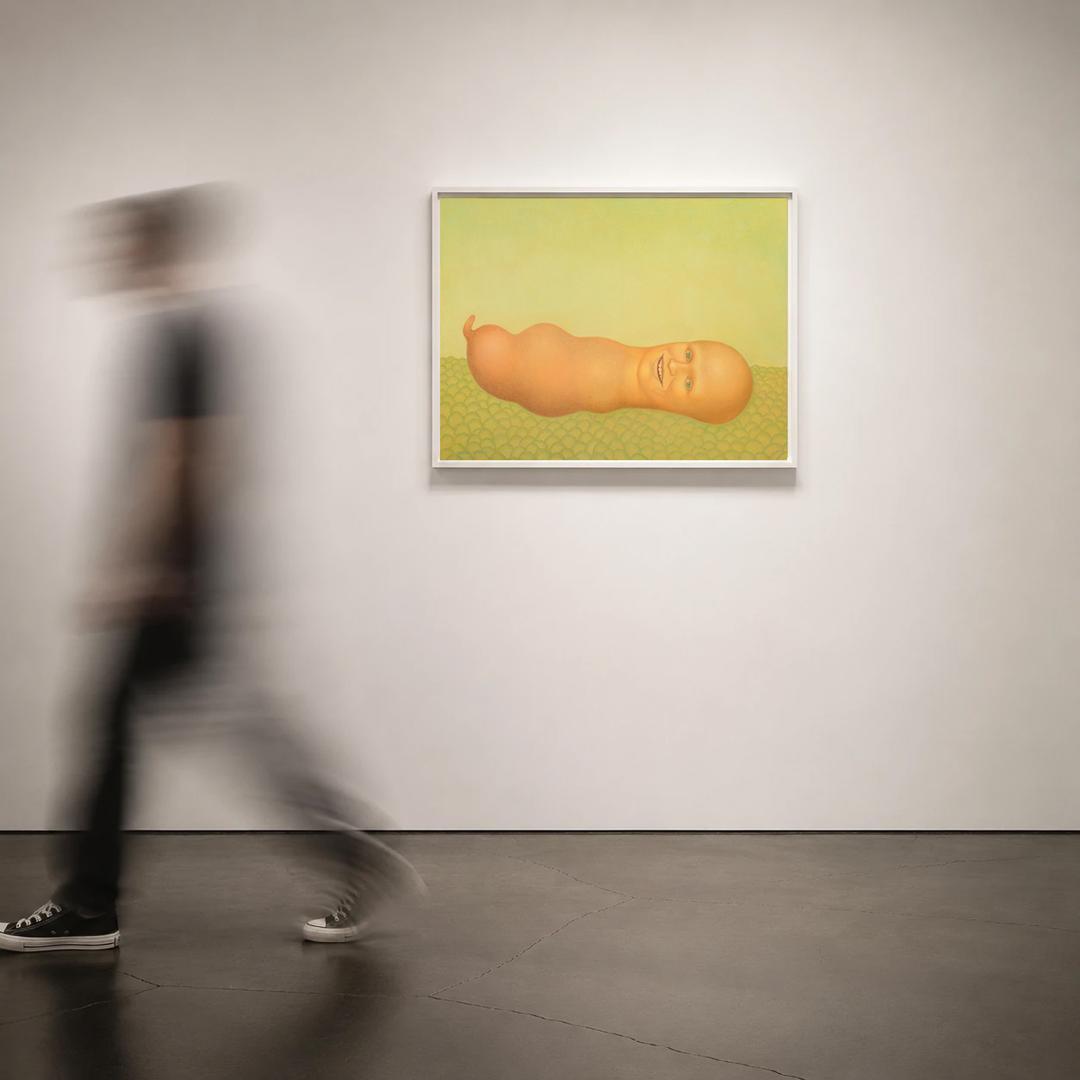
The exhibition aims to bring together divergent set of works. Representing, but also upsetting the relationship of the artists and their connection to reality. Spheres that contain paradoxes, and manage to juxtapose the ideal with the unattainable.
Openings and closings.
Slices cut off from real world and shaped by emotional needs: Somewhere Else.
Breaking away from the harsh realities is a Persian Tradition, manifested in our literature and arts, even in our timeless tradition of humor. The tough realism of everyday is compensated by stepping in to another dimension, cherishing illusions that replace the real world.
Here are exaggerated floating spaces, – a placeless place- yet in connection with the spaces that remain outside them. Within these spaces we are alive, free of borders and restrictions, away from the mundane, separated from the gloom that engulfs our land. Able to float in an archipelago of plurality, as we are supposed to.
Nazila Noebashari