
Exhibitions
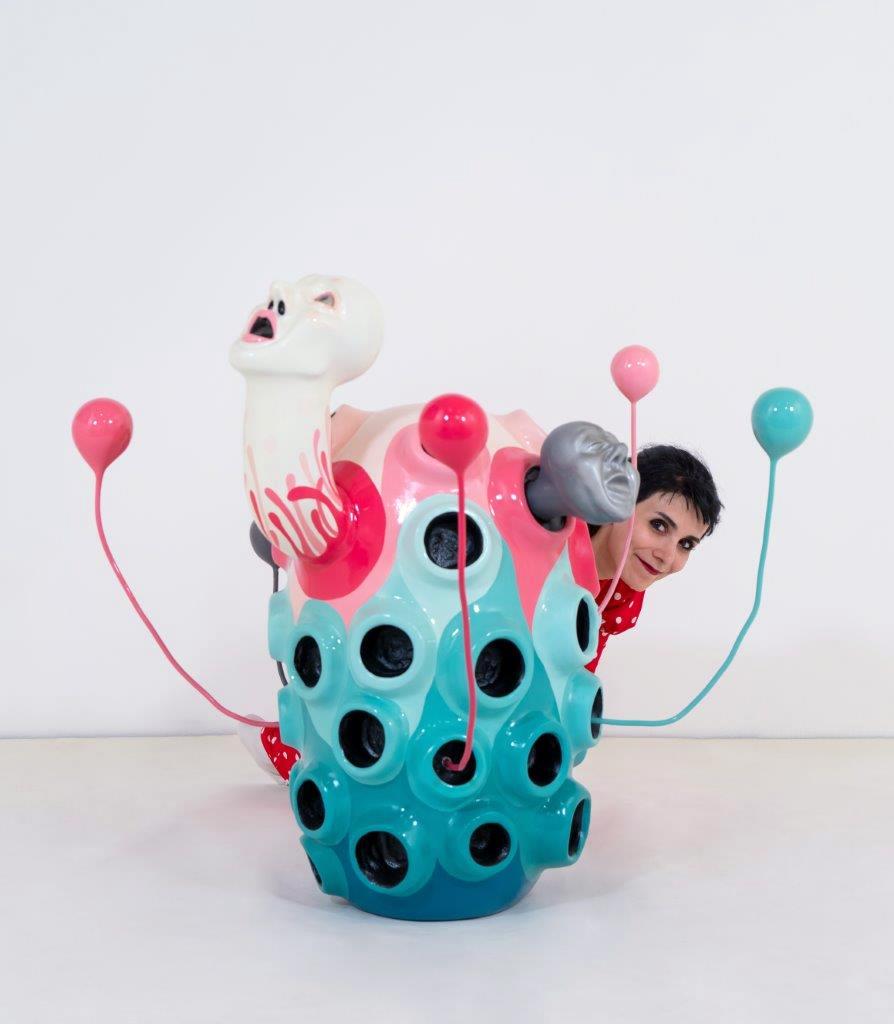
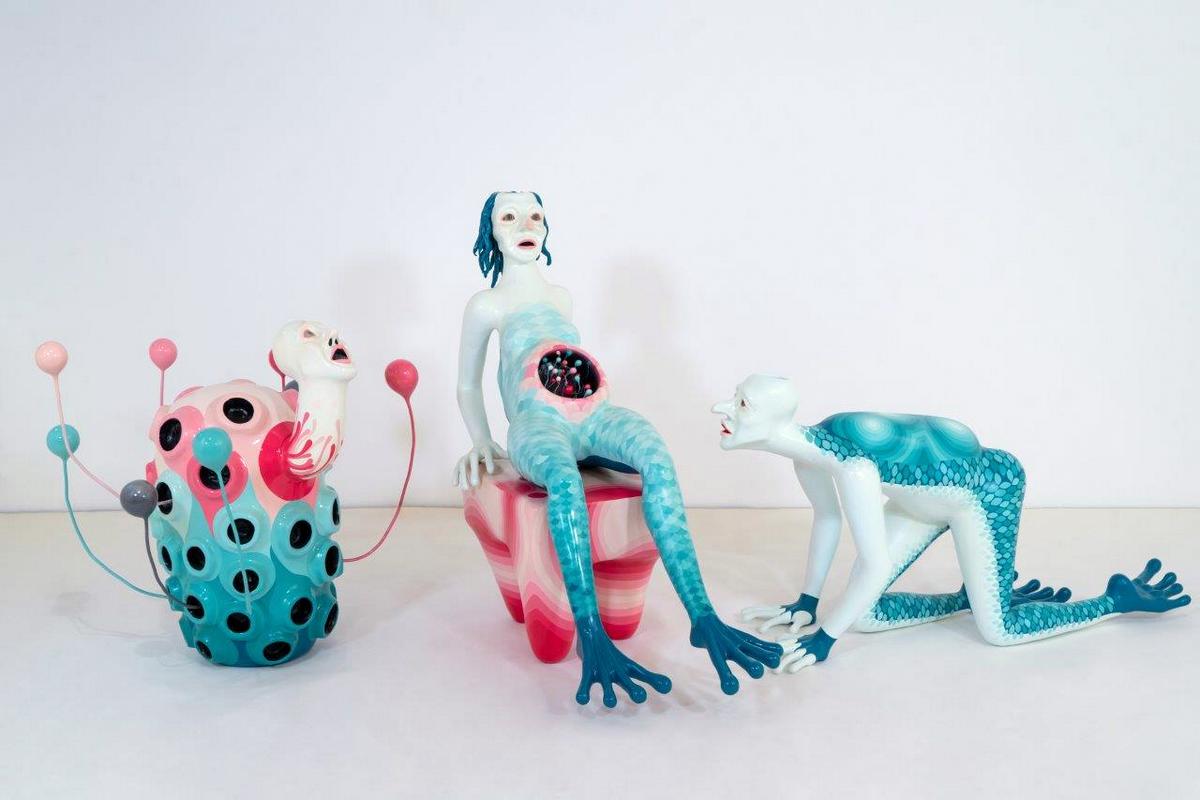
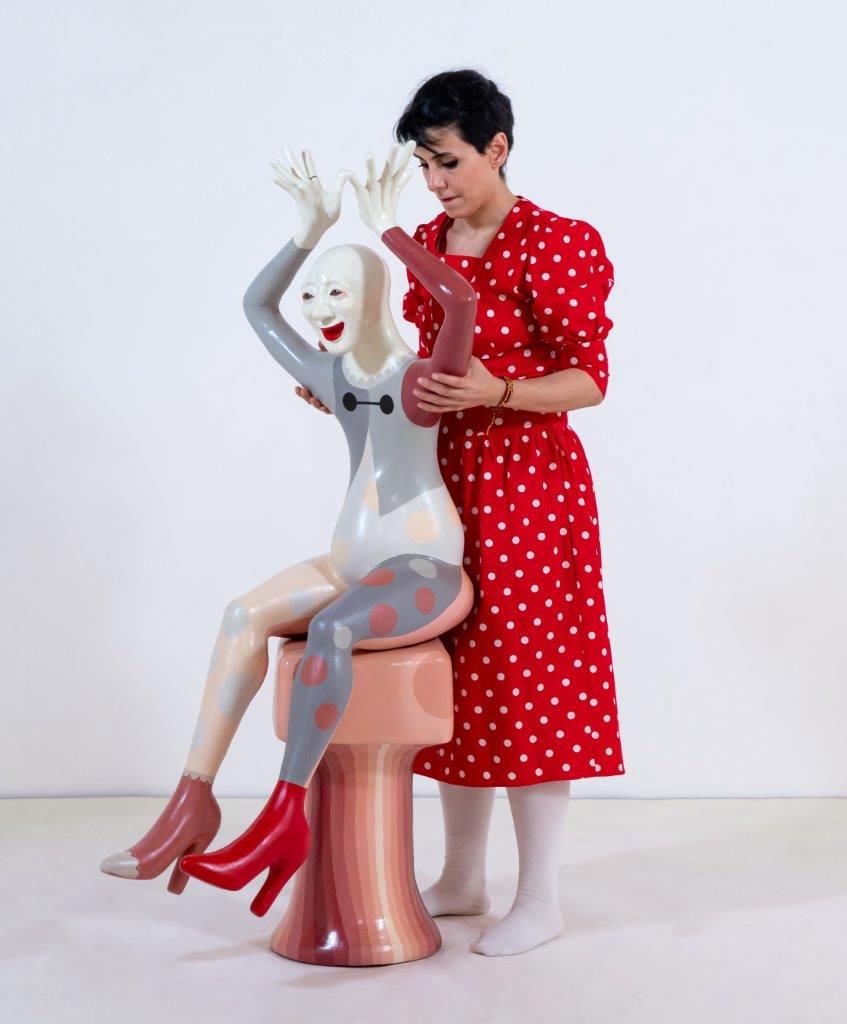
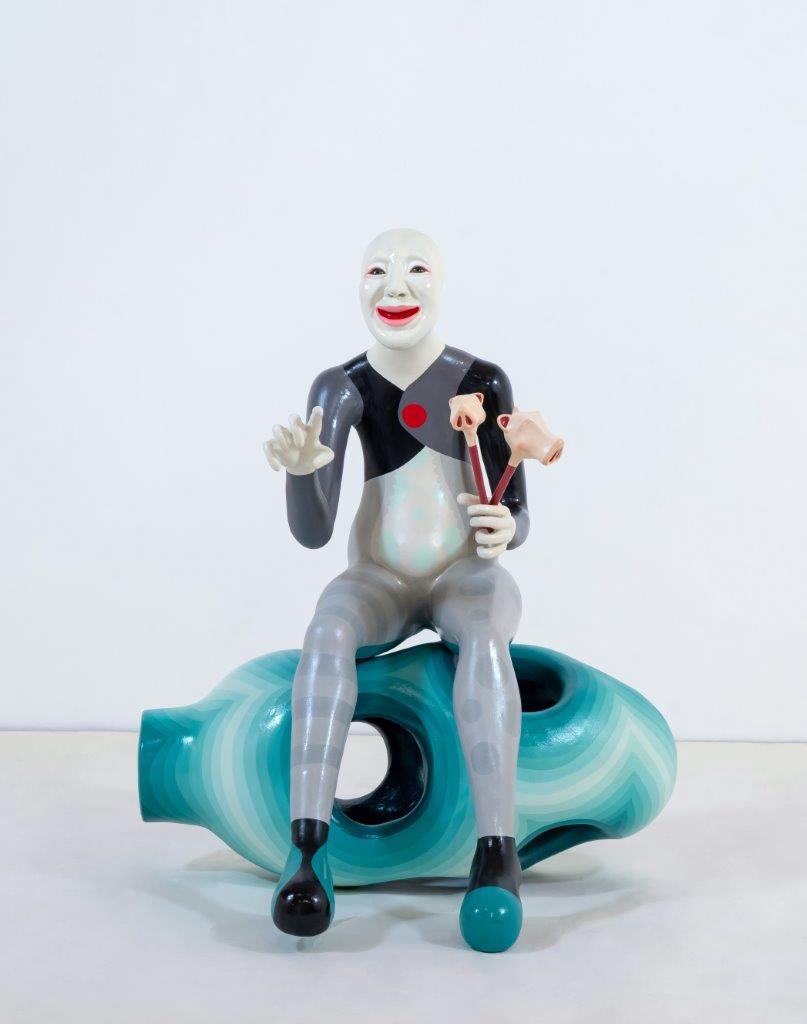
Mass in Movement-1
Studio 51
Opening at Aaran Gallery on 15 December 2017
On view until 5 January 2018
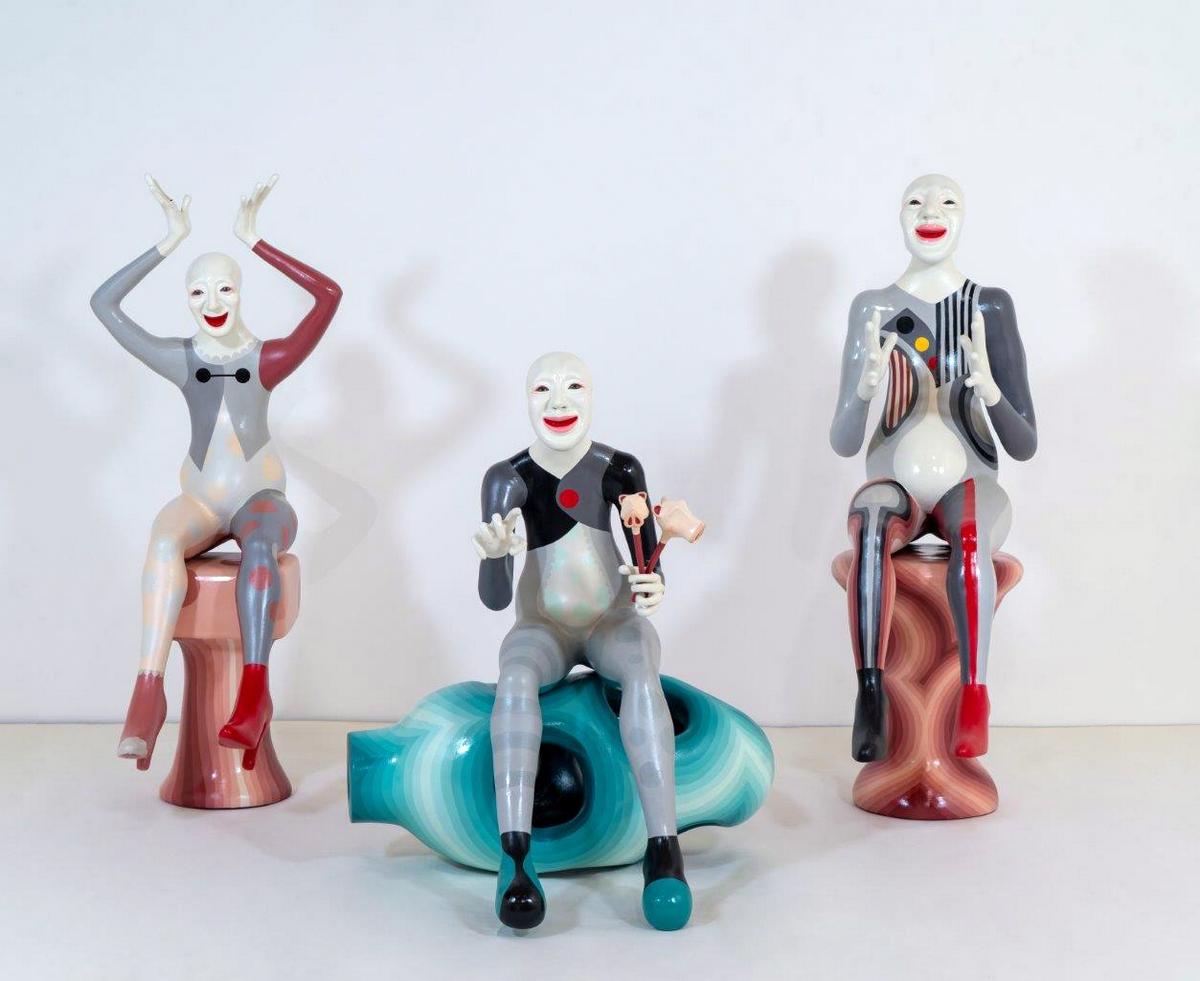
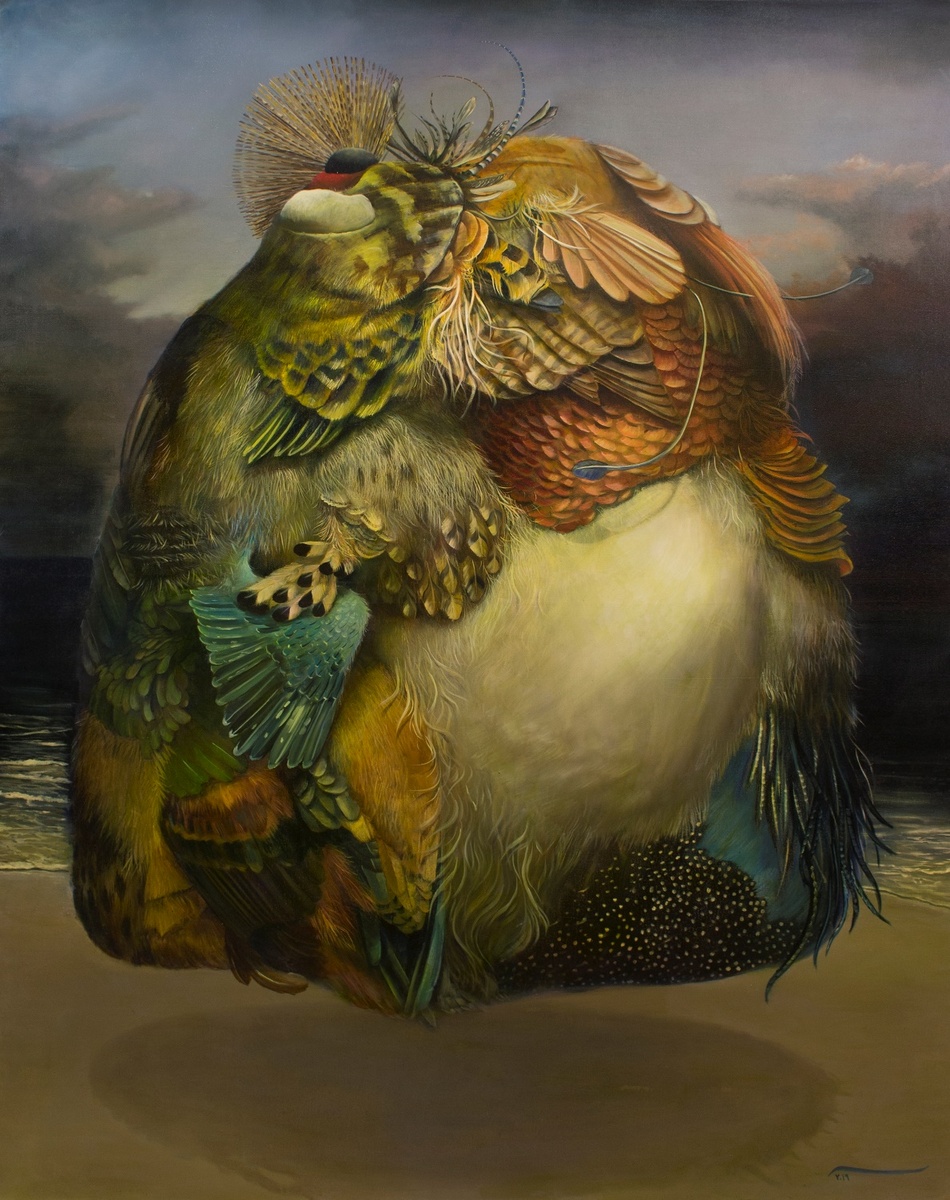
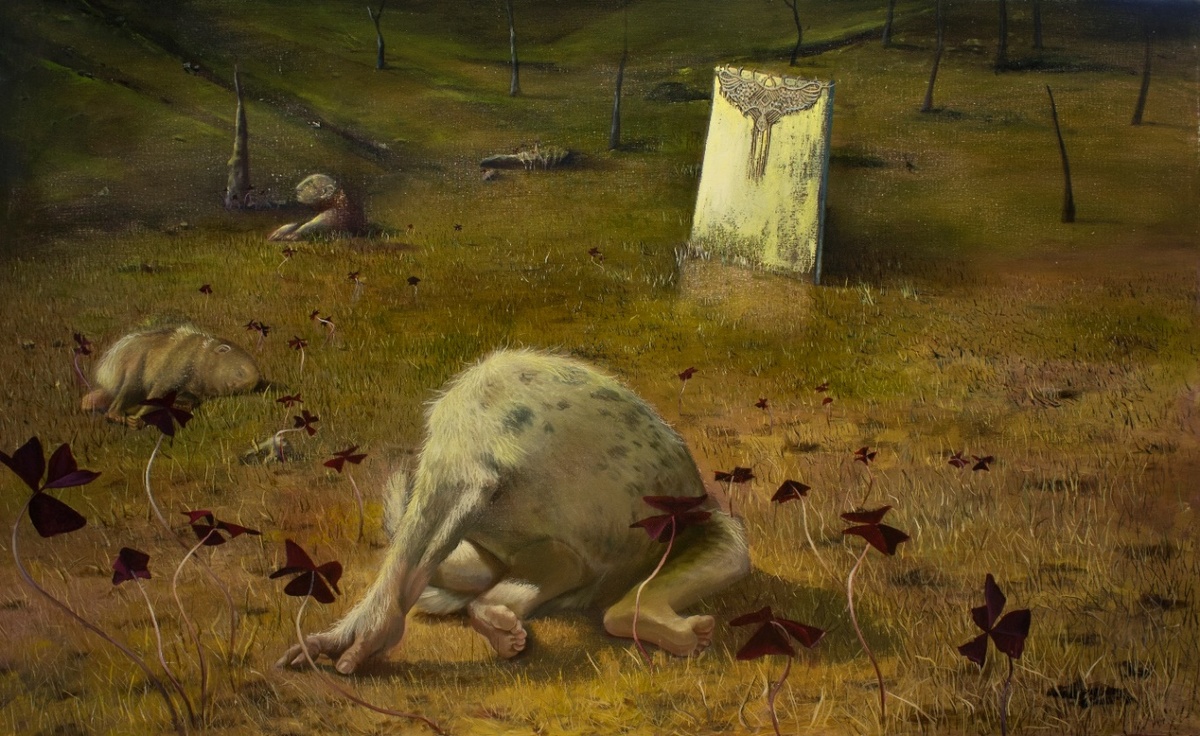
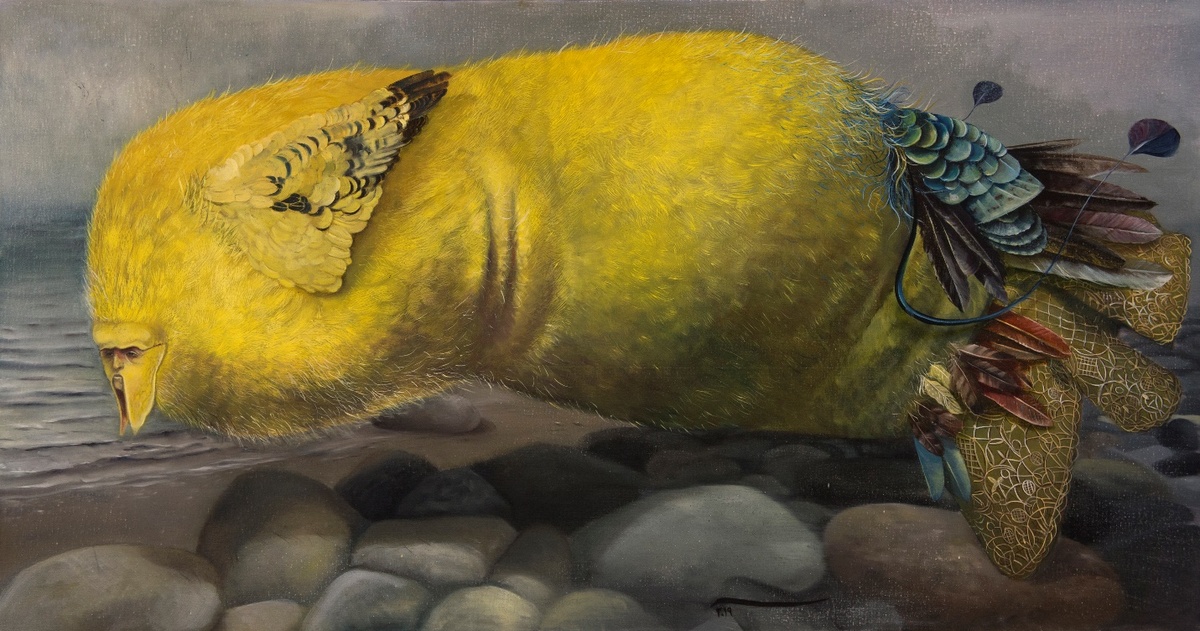
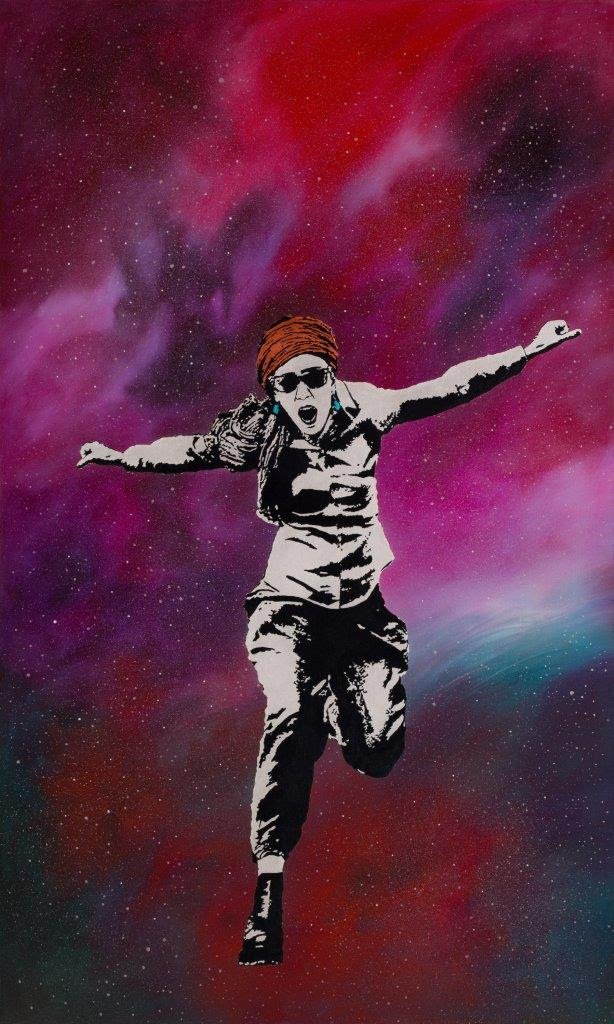
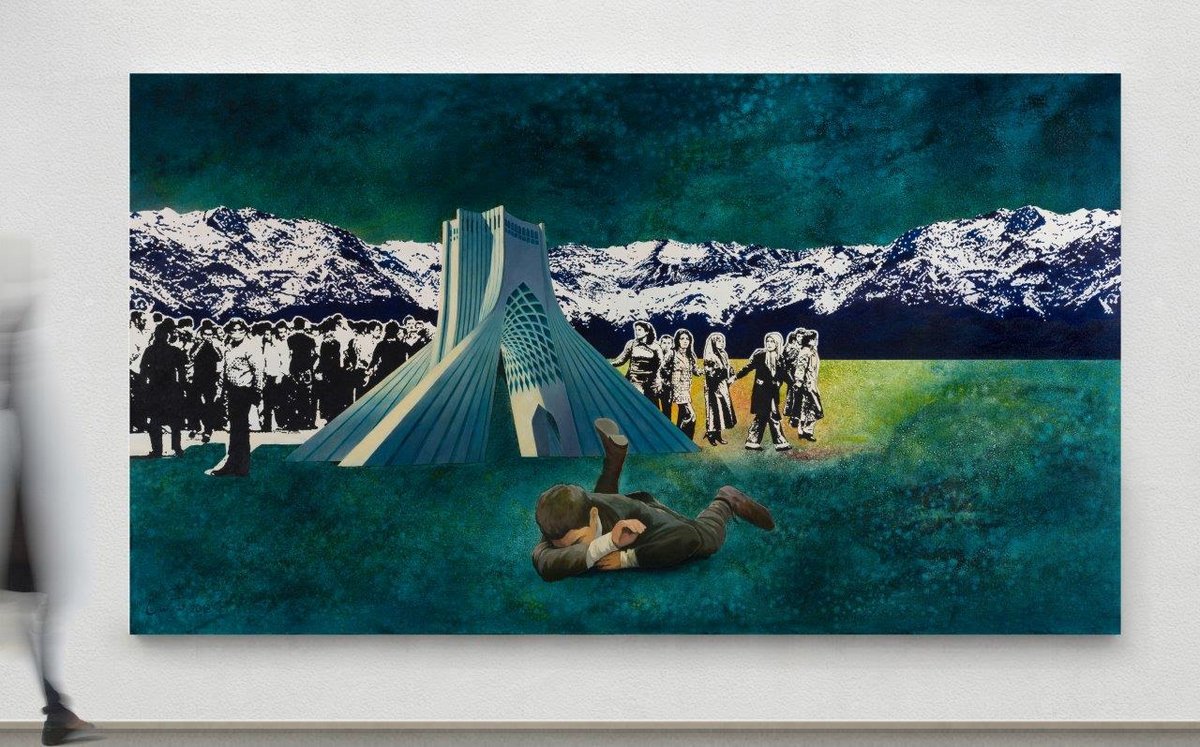
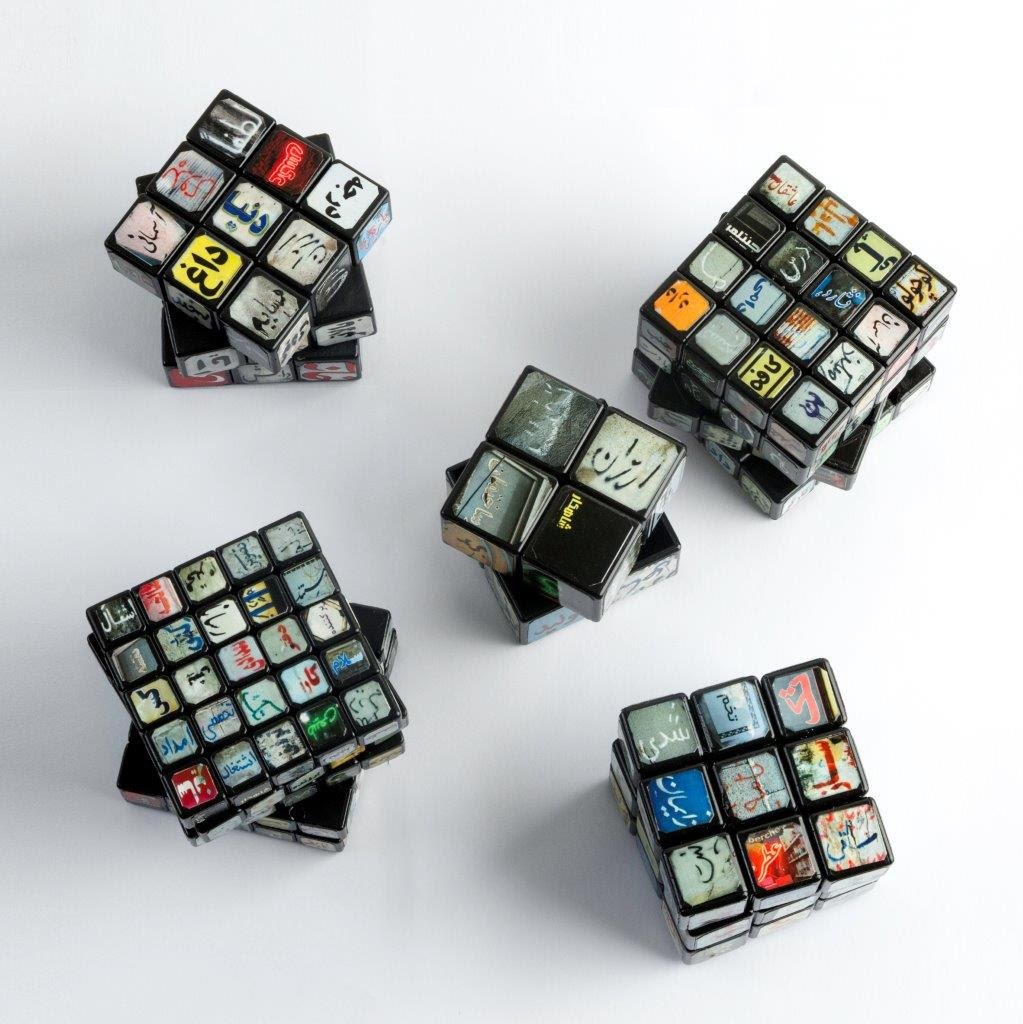
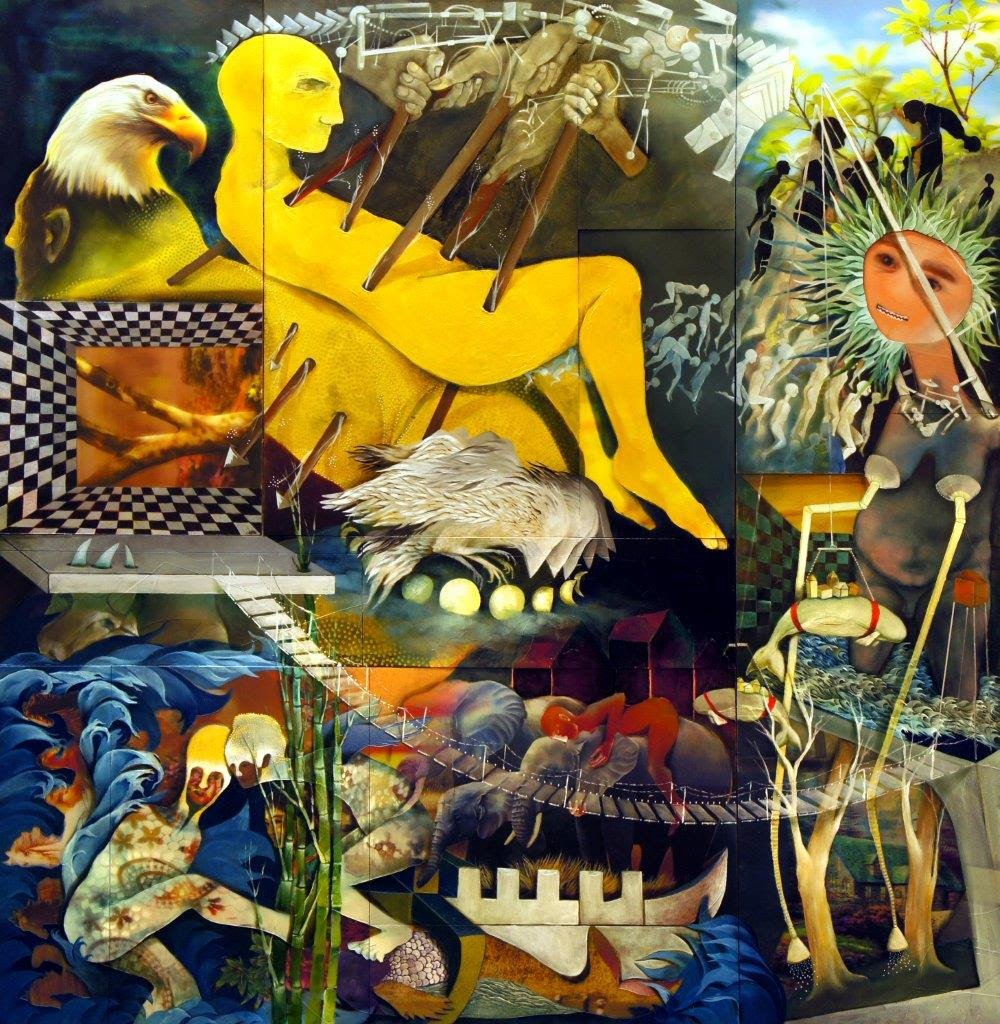
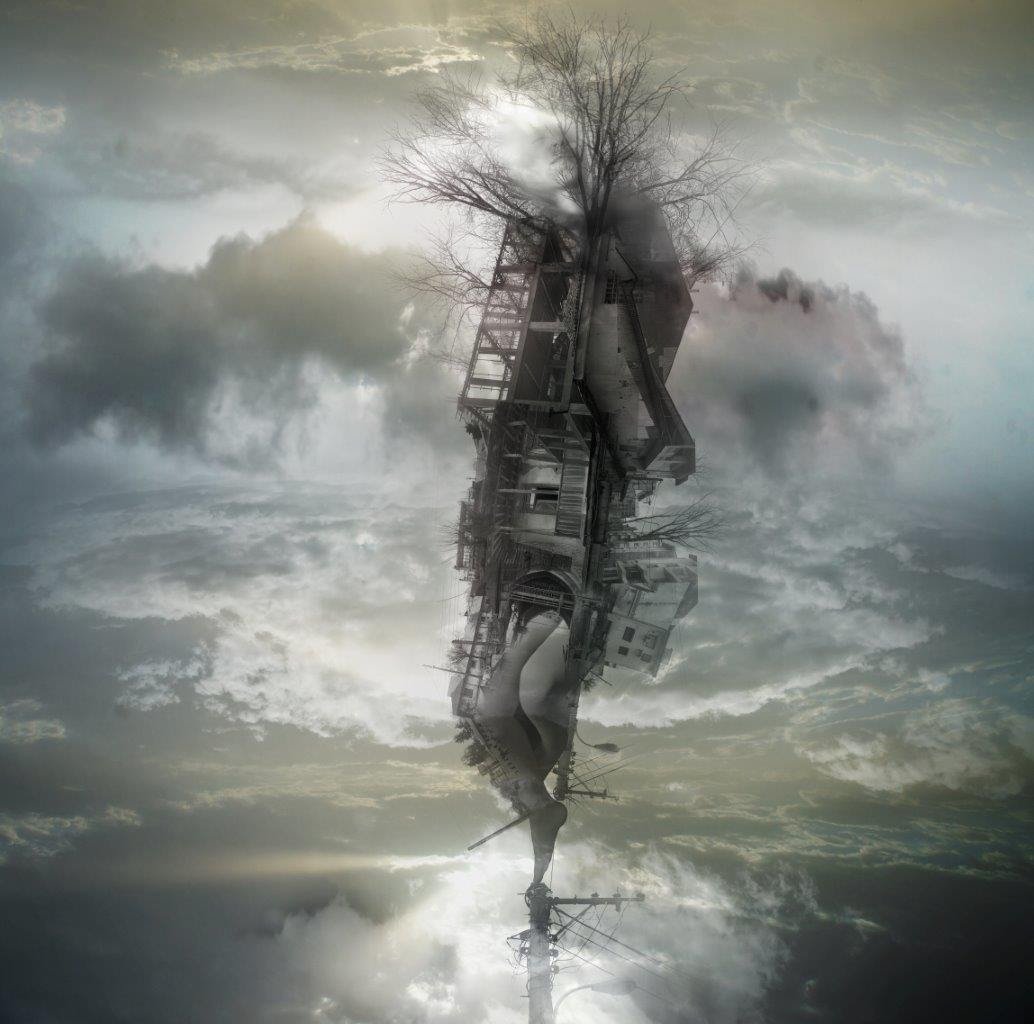
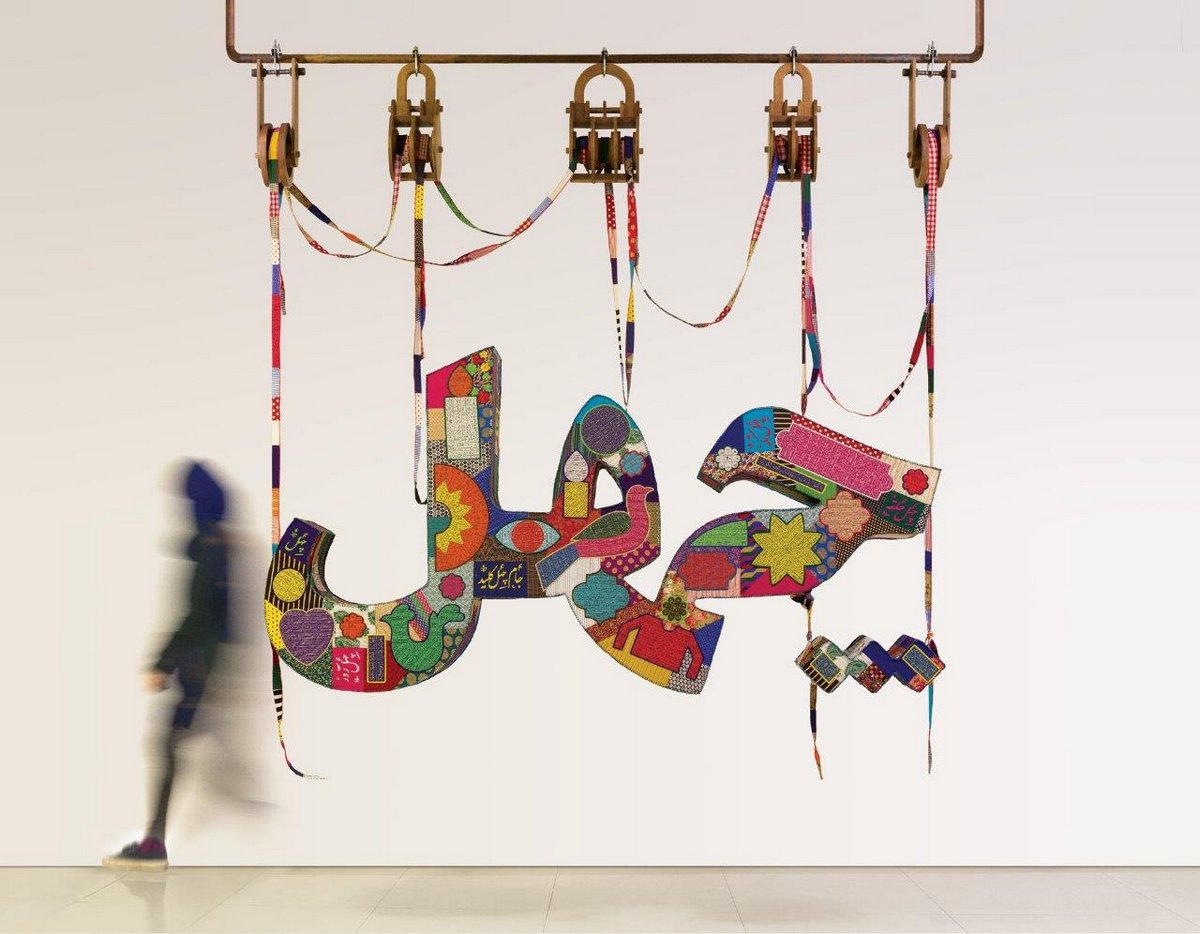
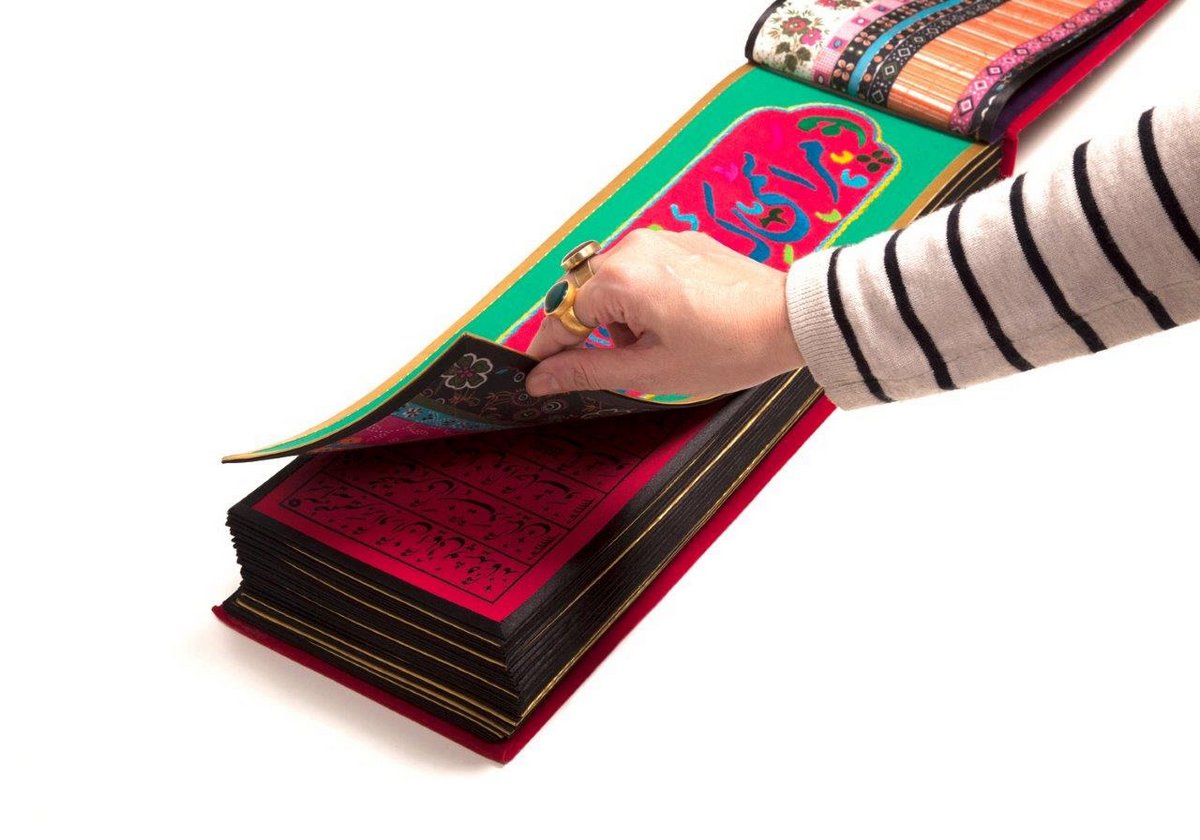
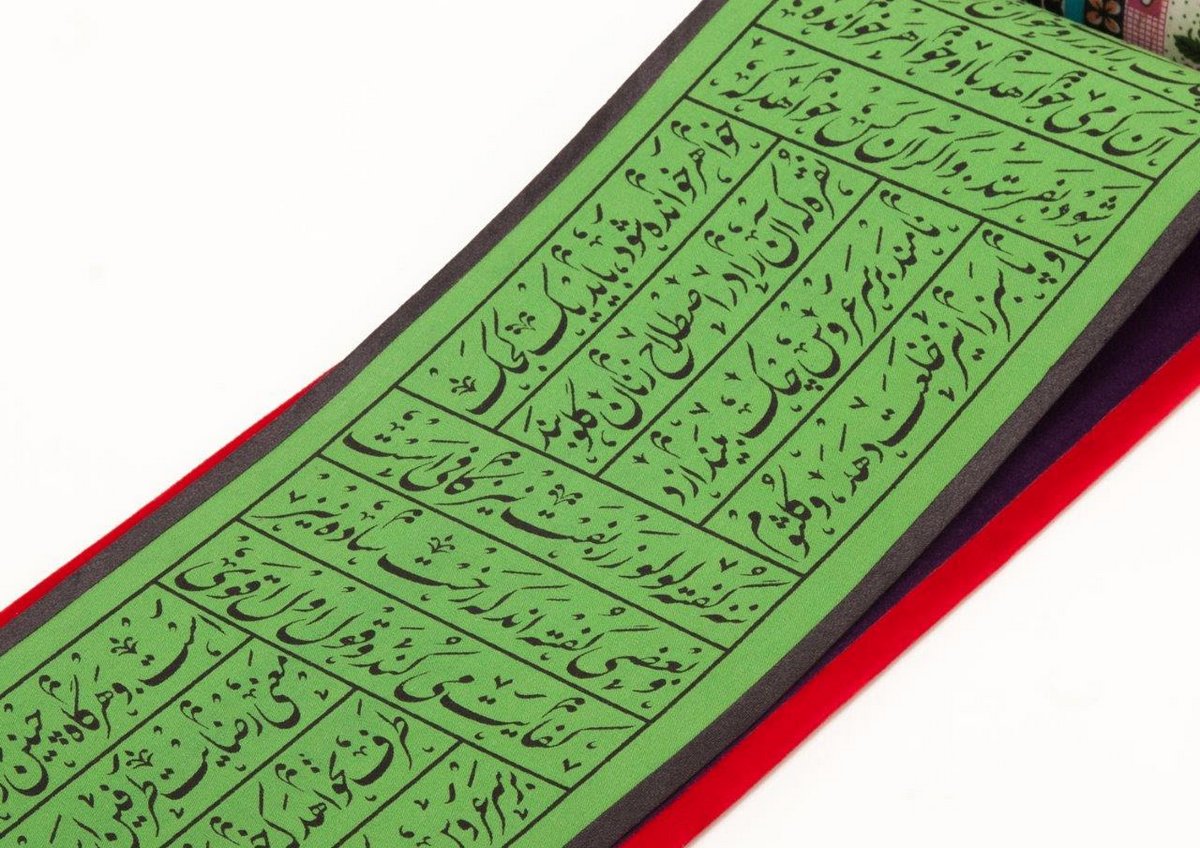
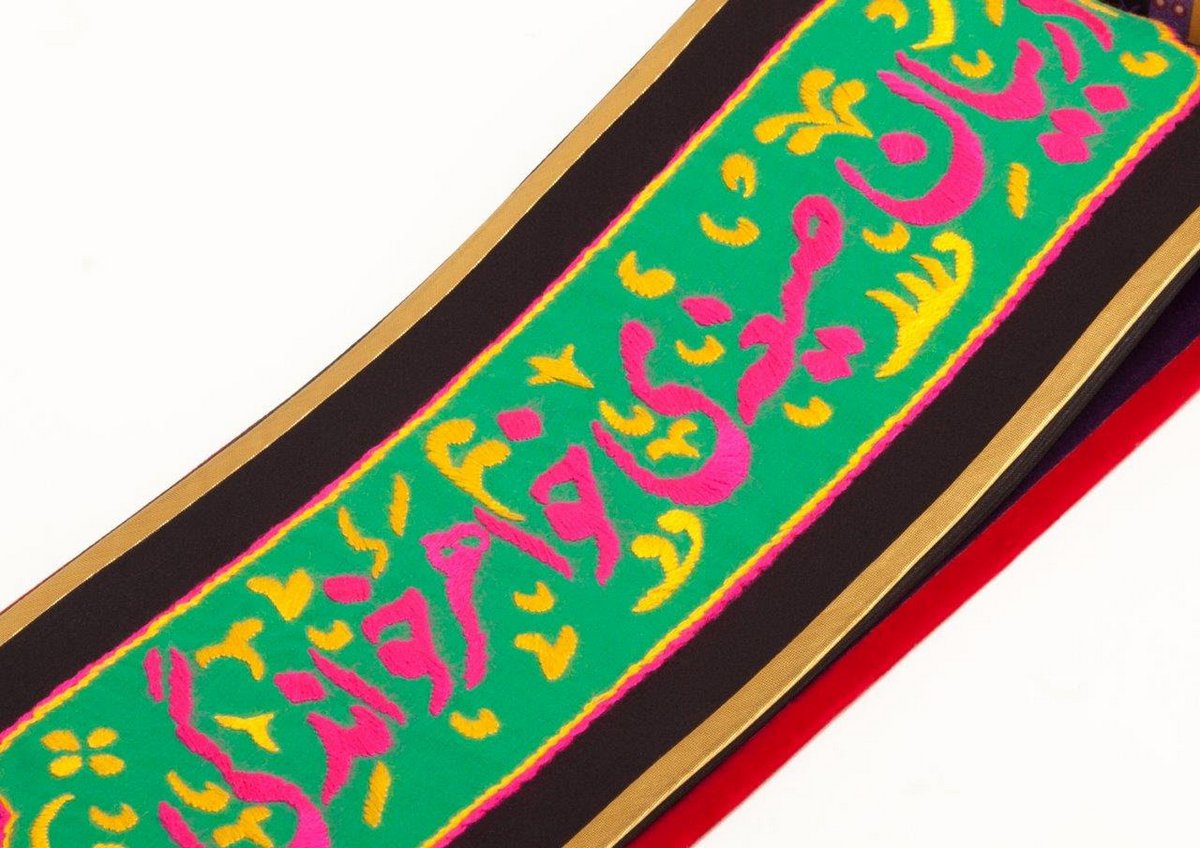
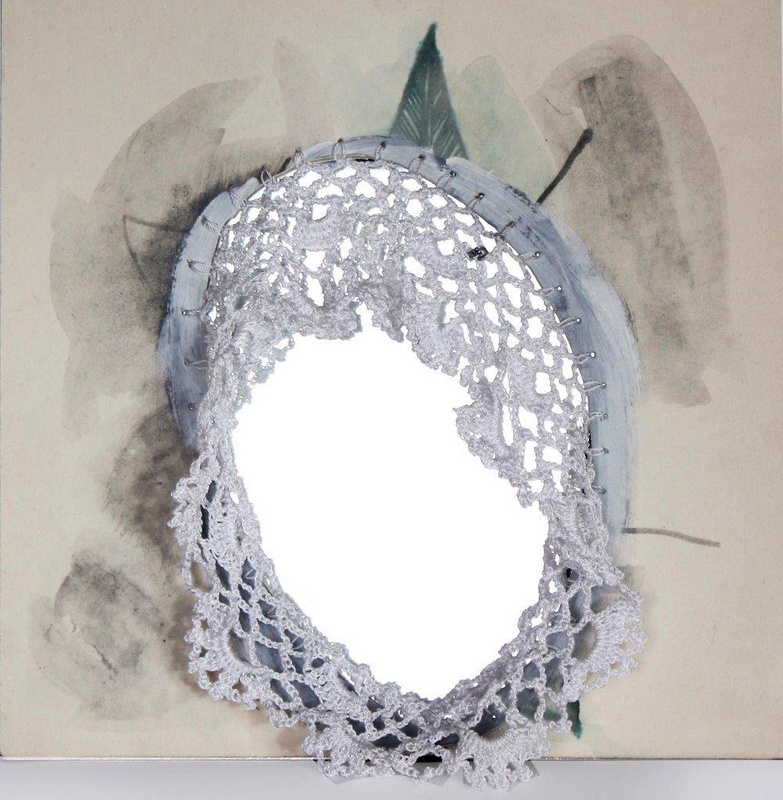
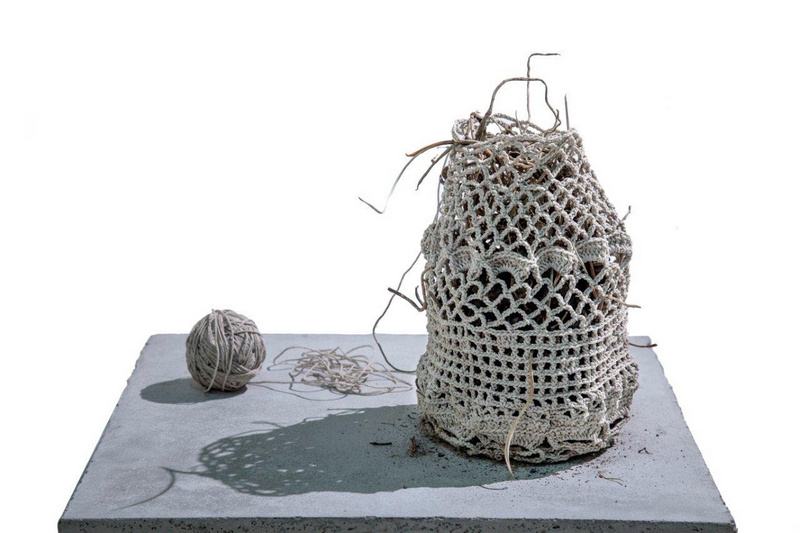
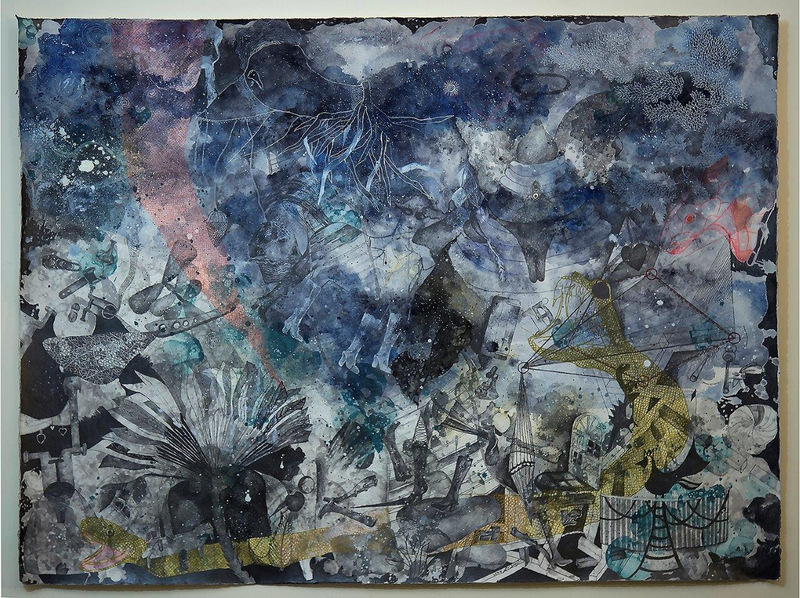
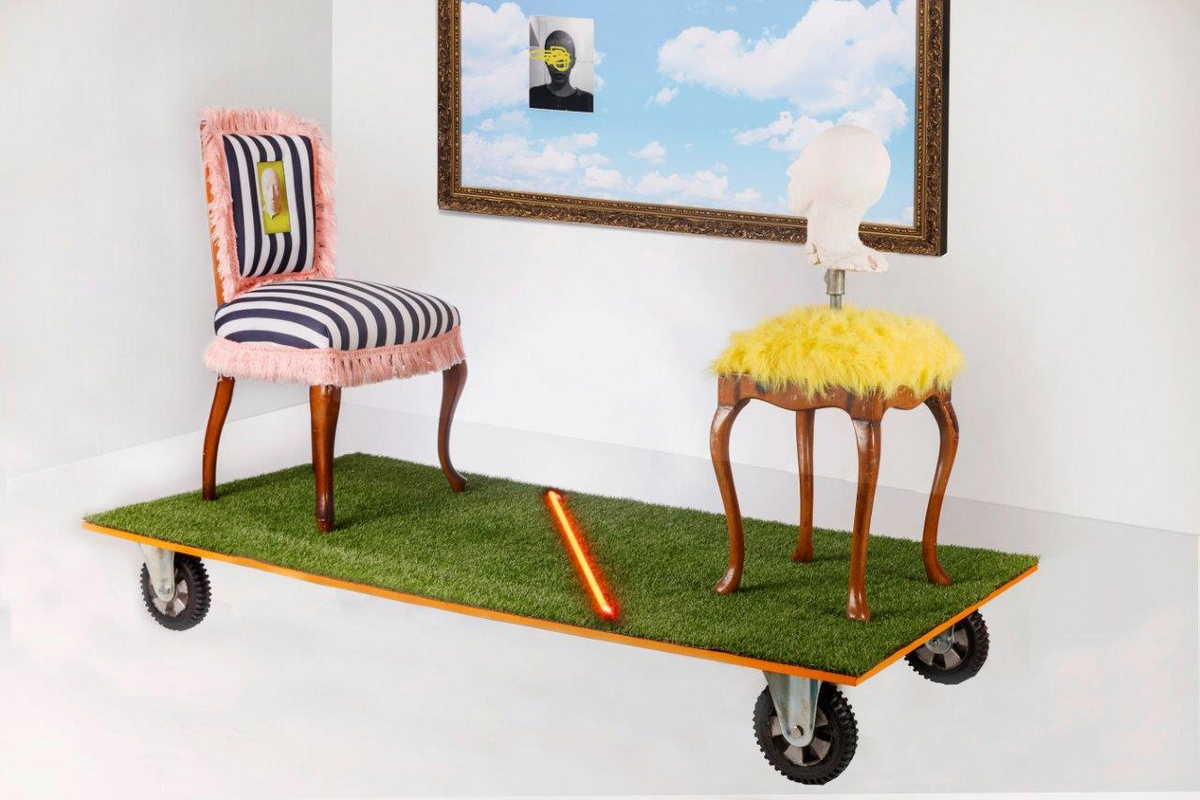
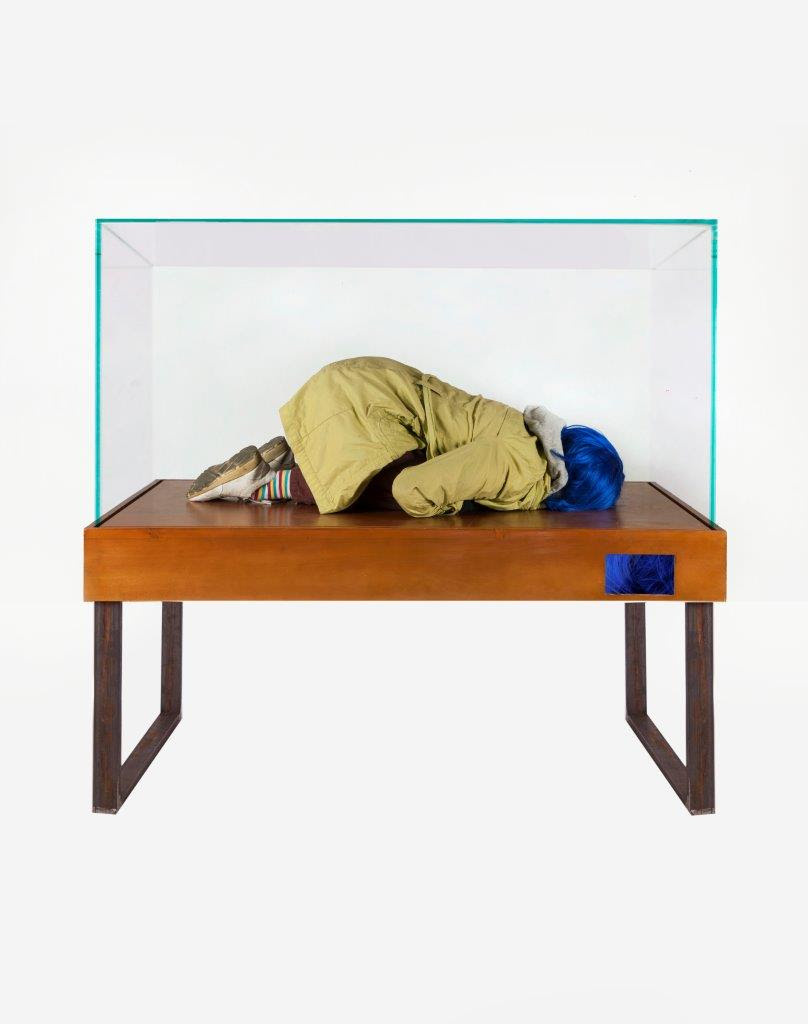
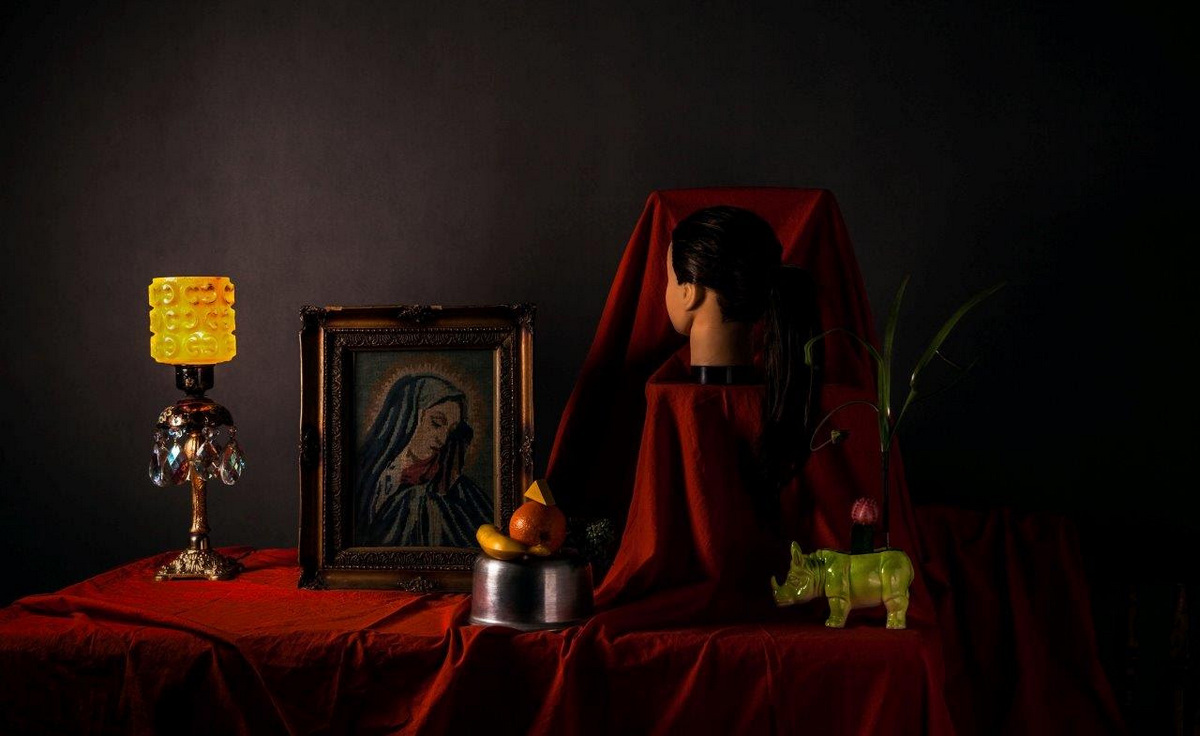
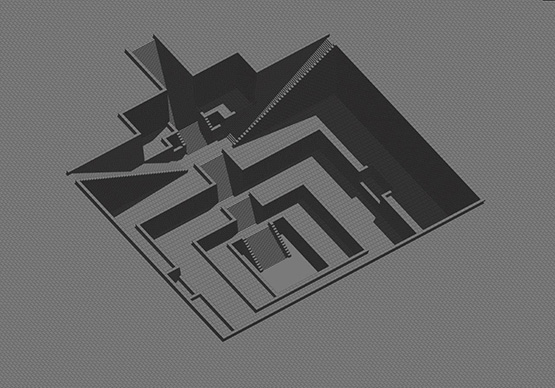
Mass in movement, a body of works which re-activate a large number of primary sources, is the product of the recent collaboration at Studio 51. These sources are used to counter their original context and function. Therefore, we are to see a situation in which arises a rupture between the thing and the system of signs making that thing thinkable. A found collection of family slides; panoramic photographs of Tehran from the top of Milad Tower; documents pertaining to events in the news; obtained videos from internet’s cyber-space, YouTube and more, are all things that can find themselves in this situation i.e. distortion of meaningful significations through unconventional use of signifiers.
“Studio 51” has been a collaborative project between Bahar Samadi and Navid Salajegheh since 2014. By recycling and re-employing pre-existing footages, as well as, textual/visual materials, and then processing them through a diverse extent of mediums, spanning from moving images to performance, installation, and painting, they attempt to construct a series of micro-narratives and assemblages, which reappear in a here and now that is alternative to their original time and space. The output of these projects are visual, auditory or tactile experiments that create new relationships between content and expression of materials. “Studio 51”, also, functions as a laboratory for these two artists to discover new forms for the possibilities of “working together ” and, ultimately, to observe the way they evolve from one project to another.
Match Point
Solo exhibition of Hadi Alijani
Opening at Aaran Projects on 1 December 2017
Aaran Projects
No. 5, Lolagar st., Neauphle Le Chateau.
Tel +98 21 66702233
Working days, except Saturdays 1-7 PM and Fridays 4-8 PM.
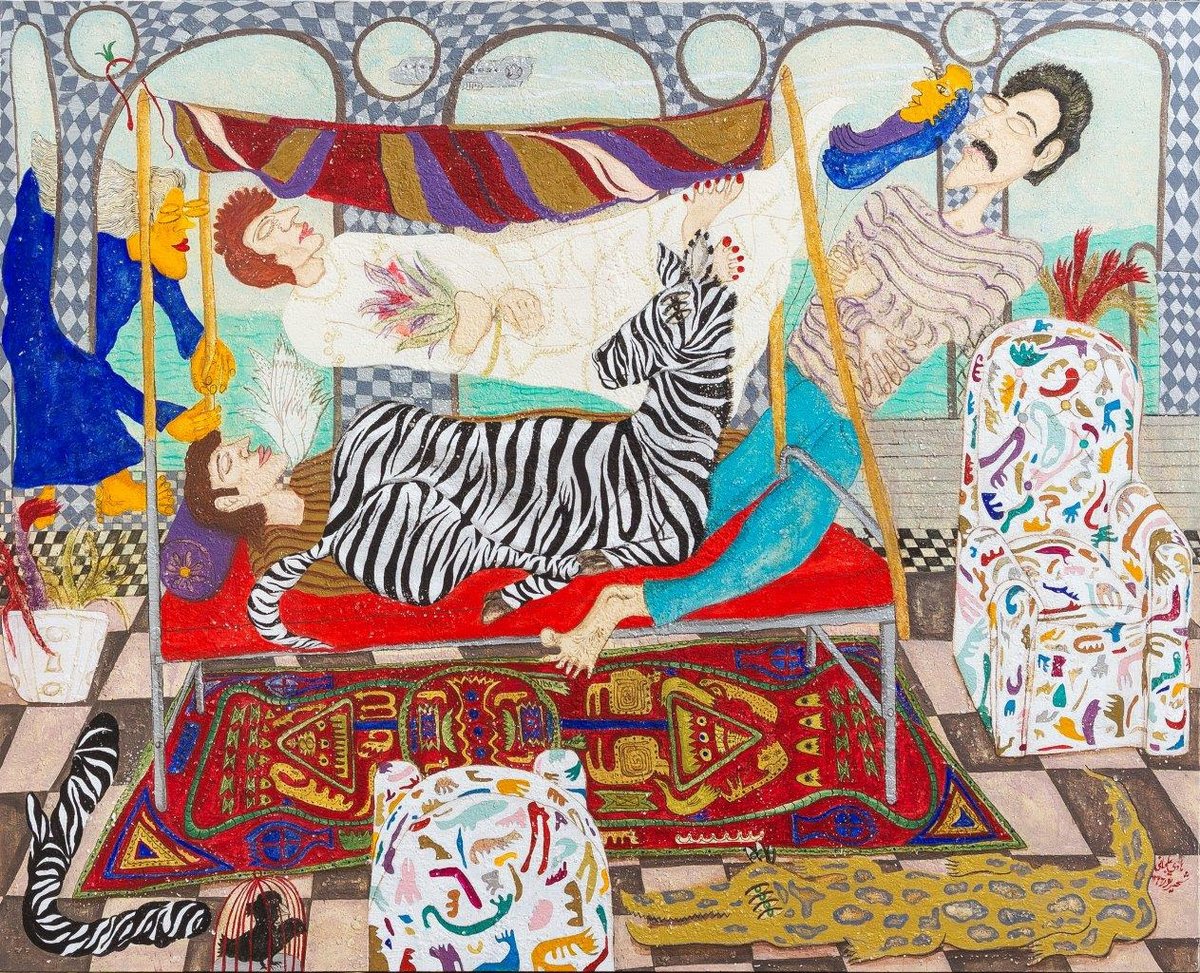
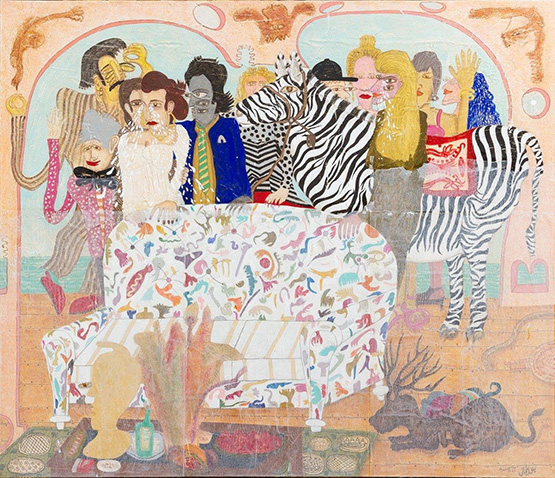
Match Point is a situation, it is about people who are stranded and have to live with their repressed desires; the crying bride who knowingly is stepping in to her position, Mr. and Mrs. Salimi who are frozen in time, the couple facing future with candles lit and surrounded by realities and boundaries of everyday life. Reactions to a world apparently without a meaning; puppets controlled or influenced by invisible outside forces, a very real theatre of absurdity. Artist is holding a mirror to illustrate the joyless, self-indulgent populace of his world, mostly caught in ordinary moments of their lives, finding no easy solutions for their existence.
Here is an amalgamation of daydreams and recollections; the man who dreams of being a woman, the man that only sees himself in mirrors, the white horse who is the father. In this unique world, nothing is as it should be and everything is as illogical as the artist wants it to be. The world that Hadi Alijani depicts is neither to be believed nor to be explained. It is to exist in perpetuity, forever waiting for the point that will win them the match. A game of chance. Looking for easy solutions or comforting illusions. The backgrounds, glimpsed through either windows or theatrical arches, depict a world of imbalance, where only Mount Damavand seems to be standing firm. Everything else appears to be swimming in a whirlwind of instability, and yet the populace is engaged with their own situations, their own individuality, and existence. Deformation is a trademark of the artist, so are his creatures that are his own. And his unique foliage and wildlife that is as bizarre as the lives of the people who are surrounded by them.
Hadi Alijani’s fascination with Persian Painting is boundless. His deliberations are precise and his unwavering focus results in phenomenal imagery and connotation; the bright and pure colors, the flattened objects, the layers of story and metaphors, and most importantly the promise of hope.
Nazila Noebashari
The Third Apple
Solo exhibition of Yahya Dehghanpour
Opening on 24 November 2017, on view until 11 December 2017
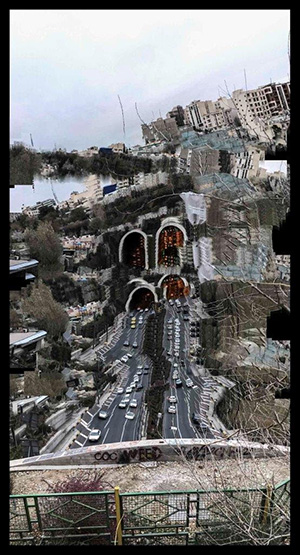
Yahya Dehghanpour has always experimented with technology and apparatus. Tools are toys for his creativity; They range from many experiments, including the pin-hole camera and the most improvised plastic tools, to throw away cardboard cameras to the most advanced cameras available. Discovery is part of his inquisitive essence. His passion for photography is endless, and no physical deterrents are of consequence. Using a simple application on the mobile phone, the Panorama option, and by movement of his hands, this new series of works has taken shape.
There is no definite photographic instance in this collection of works. There is no certainty. Time is of no importance. Possibilities are boundless and probabilities are offered. The viewer is faced with the skepticism in everything manmade and their mindset is challenged, while a new structure and perspective are offered.
One of the interesting points about the majority of works in this collection is their cadre; the vertical and stretched-out presentation of the images. Normally one strolls by and sees horizontal frames, a natural and coordinated motion of head and eyes, however in this collection the viewer is forced to view the world through the line of sight of the artist. Through motion, the camera registers a different perception of reality, here is the Artist who perceives and creates simultaneously, all in a single instance.
By creating a different perspective, the artist offers an alternative reality or perhaps cutouts of reality, and a new line of sight, all the while obscuring certainty.
The city is his element and his flânerie is of a complex nature; amid the tides of the population and within the flow of the city and in the midst of fleeting moments his unique narratives take shape.
Yahya Dehghanpour’s command of literature has played an important part in developing his oeuvre. A well-thought-out narration is a vital part of his practice. His quick wit and playfulness in combination with his critical viewpoint are evident in his works. At the same time, nothing is too serious, nothing is absolute. Once again his preoccupation with the subject matter and his determination to master and command technology come together to create infinite possibilities to view the world and to deliberate on borders of reality.
CAP
Nasim Davari
Opening at Aaran Gallery on 3rd November 2017, on view until 20th November 2017.
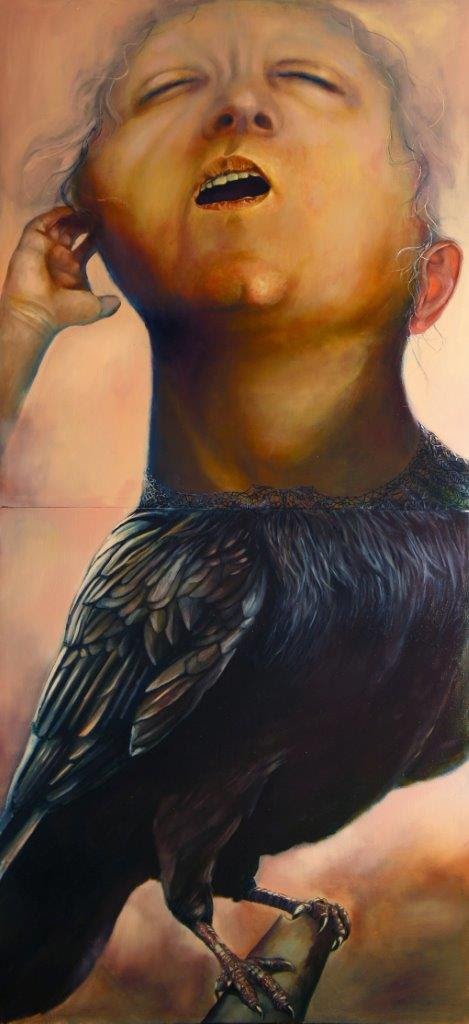
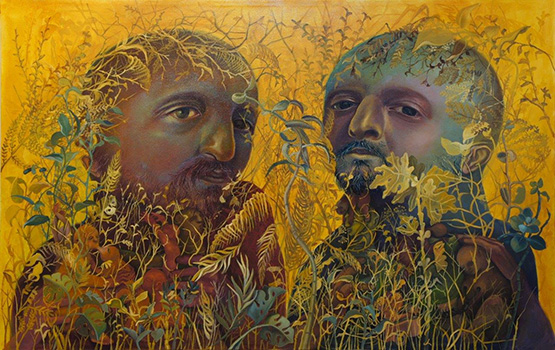
Layers of color gradually come together to create solid and carefully deformed portraits. Portraits of a people that belong to a certain unnamed land, people who sing or shout their lives, as if they are telling their stories to the viewer. It is difficult to assign a gender to them, and maybe they are without one.
In her paintings, Nasim Davari supersedes the boundaries of imagination and creates her own world. In her world, the people are equal in the sense that they are equally in pain or just as fortunate. They bring children to their world, have jobs and are playful or philosophical. These portraits that follow on the track of earlier works of the artist are a hybrid of humans and unknown creatures. These are not just portraitures of these people, but they demonstrate their expressions and feelings. These images paraphrase emotions such as complications in relationships, bewilderment, anxiety, and serenity.
The works in this exhibition can be divided into groups depending on the material they are painted on, but the spirit is the same. As an example, the paintings on old trays are a reminder of the history of these people and their lived experience. The other important factor in Nasim Davari’s practice is that she remains independent and stays away from the prevalent artistic practices. She is not influenced by the external influences and constantly challenges her own essence and capabilities, and that is why she everyday lived experience is part of her practice.
Her work is at the same time rational and equally illogical. Rational because of focused execution of her oil painting and illogical as her practice is not about creating philosophical interpretations of art, instead she looks to break up the pre-conceived subjective templates. She toys with prevailing and ordinary values and by defying them, creates a new logic. By choosing the title of “Cap” for her third solo exhibition, she offers a multitude of layers for the audience to shape their own interpretation of the works and even find their own doppelgänger among the people of this unknown land.
Mina Feshangchi
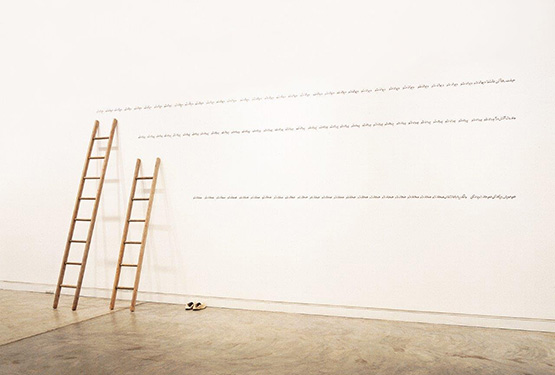
Where Do I Come From?
Hossein Valamanesh
Opening at Aaran Projects on 27th October.
Aaran Projects
No. 5, Lolagar st., Neauphle Le Chateau.
Tel +98 21 66702233
Working days, except Saturdays 1-7 PM and Fridays 4-8 PM.
For his first solo exhibition in his home country, Hossein Valamanesh has carefully chosen works that reference many angles and layers of his practice. Pure forms of geometry that are closely connected to natural elements such as fire, earth, and wood, next to works that have deep roots in Persian culture will offer an insight to the probing mind of this artist. The spatial qualities of his oeuvre are manifested in his smaller works but are more visible in his site-specific works. In his public works, he creates a portal between urban life and the natural world while the locality and circumstances of these sites are evidently of the utmost importance to the artist. The same care and attention are paid to the choice of works of this exhibition and their engagement with the space of the gallery.
His practice is rooted in the earth but veiled and delicate references point to that which lies ‘beyond’; there is an overall expression of lightness, at the same time the wisdom engulfing his practice can be traced in every line and word. His engagement with nature and the universe is easily recognizable and reveals a humanity that attracts the viewers. Many of the works are rooted in the rich poetry of Iran both literally and in form. There are traces and layers of personal and social history of the life of an artist who has benefited from two very different cultures, one of his motherland and the other of his adopted country.
While each work stands on its own merits, together they offer a hieroglyphic script. Inscriptions that are visually attractive and represent real or illusional elements and concepts; an indicator of the interconnectedness that is vital to his practice and his fascination with the core of things. Influenced by the Aboriginal art of Australia, and benefiting from the simplicity of the method used by them, his works also evoke ritualistic ideas and are sometimes visibly simplified ideas or forms.
Hossein Valamanesh’s engagement with nature and universe and his absolute devotion to art is self-evident and at last Iranian viewers will be able to marvel at the lightness of his being and the strength of his soul. In his words: My art is about not separating elements such as aesthetics, content, and form from each other. A door is opened and a glimpse of reality is sensed and one realizes its ephemeral nature.
Nazila Noebashari
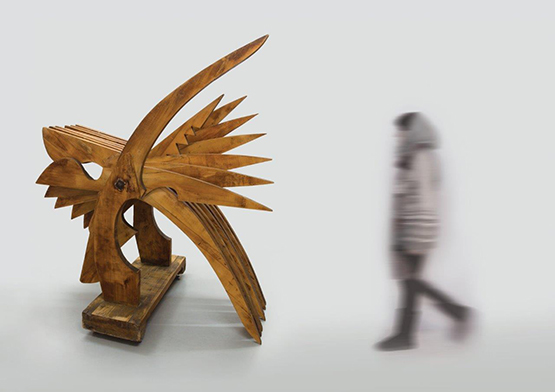
Primeval, Art of Wood
Group exhibition of works made with/on wood
Curated by Akram Ahmadi Tavana, Commissioned by Aaran Gallery
Opening at Aaran Projects on 1st September, on view until 25th September 2017.
In memoriam and honoring artists:
Arabali Sherveh (1939-2011), Mohammad Ali Madadi (1942-1998), and Mehdi Sahabi (1944-2009).
Exhibiting works by:
Mohsen Vaziri Moghaddam, Behrouz Amiri Rad, Mansour Tabibzadeh, Majid Kamrani, Farhad Ahrarnia, Houman Salimi, Shaqayeq Arabi, Behdad Lahooti, Mehdi Rangchi, Shahryar Gharaei, Yashar Azar Emdadian, and Mohammad Marvasti.
Aaran Projects
No. 5, Lolagar st., Neauphle Le Chateau.
Tel +98 21 66702233
Working days, except Saturdays 1-7 PM and Fridays 4-8 PM.
Essential to life on earth, trees hold a special place in the collective consciousness of humans: rooted in earth, reaching skyward, nourished by elements, they provide a metaphor for what it means to be human. Each tree has a character, and it is in the strength and density of its grains that a dialogue between the artist and the medium takes shapes.
Wood has an irrevocable history, stories of lush forests, seasons, flora and fauna, and Time that is written in to its rings. The appeal of the primal nature and human’s yearning for it, is perhaps the reason that viewers appreciate art works made of wood in a different way; the perception of the story behind the wood, the Medium itself, and the inherent connection between earth and water and purity of nature.
This exhibition explores forms and concepts of artists, across three generations, who have often chosen wood as their preferred medium. While some works emphasize woods’ natural characteristics, others work against the grain. At the same time the sculptural play and wide ranging distinctive artistic sensibilities and rich symbolism of trees, are evidence of the emotional connection between the art works and the artists.
The aim is also to celebrate how contemporary Iranian artists integrate storytelling and personal narrative in to their work. The rich history of Iran is allegorically referenced to in many of the works at the same time consciously or otherwise many motives of Persian arts are present. Through the use of various tools each artist pushes the boundaries of the medium while taking in to consideration the unique characteristics of wood such as grain, tone, color and texture; a conversation that is encircled with the energy of earth and sun, one that has been engraved in the texture of wood, a purity that is appealing and timeless and primal.
Nazila Noebashari
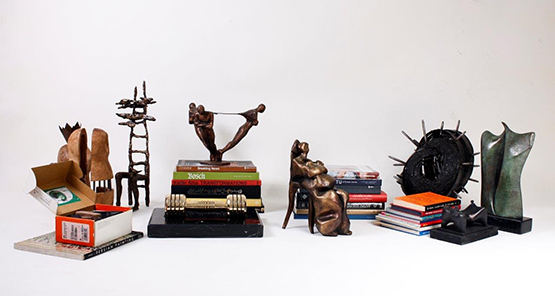
SMALL+50
On occasion of 10th Anniversary of exhibition of Small Statues-Part One
In collaboration with Iranian Association of Sculptors
And to coincide with Iranian Biennale of Sculpture
Opening at Aaran Gallery on 8th September 2017, on view until 18th September 2017.
Behrouz Darash, Saeed Shahlapour, Bijan Nemati Sharif, Fatemeh Emdadian, Ali Davari-Nader Qashqai, Mohammad Hossein Emad, Abdolnasser Ghiv Ghasab, Malek Dadyar Garossian, Mansour Azari, Elham Bolorchian, Mohammad Reza Zabihollahzadeh, Farzaneh Mohri, Korosh Golnari, Azar Sheikhbahizadeh, Akram Jahanpour, and Ghodratollah Agheli.
The recurrence of an artistic event defined within a time frame, is indicative of importance of an event and the perseverance of the custodians and participants in maintaining a relationship, an association that indicates presence and strength of its foundation and susceptibility. On the other hand it is demonstrative of the potential that is well recognized by artists, viewers and custodians.
The exhibition of Small statues is one of the artistic events that despite obstacles has remained consistent and authentic. This year at the threshold of its tenth anniversary with regard to the past exhibitions, this event will acknowledge and pay respect and gratitude to veteran participants.
On the tenth anniversary of this event and with support of Aaran gallery, the exhibition of Small +50, aims to honor the sculptors above 50 years of age who with their consistent presence have laid the foundation of this annual event.
Decay, Chapter two: Rend
Hamed Jaberha
Opening at Aaran Gallery on 11th August 2017, on view until 1st September 2017.
Rend, the second chapter in the “Decay” series, is a simultaneous autopsy of history and body, a discontinuous look at the continuous history of exerting violence on the body, a search in events, signs and texts to reveal human’s complicity in vulgarity. It is an exploration alongside time, this wild cruel entity rooted in us; something that was, and is, that thrives on the remains of wars, revolutions, and upheavals.
At a time when victors feast on the suffering of the defeated, memorializing the fallen of history is perhaps a bold gesture. A feast by the chaste and the revolutionary, in burqas and rags, in robes and turbans over the listless human body. But in the end, memory fades away in the mist of time and truth emerges subtly but brightly.
BORJASS
A project by BORJASS art Group in collaboration with Isoo Gallery of Amol
Hamid Asadzadeh, Farzaneh Gholizadeh, Ali Fazeli, Forouzan Soleimani, Akbar Rad, Mostafa Masoumi, and Shaqayeq Shabani.
Opening at Aaran Projects on 28th July 2017, on view until 25th August.
Aaran Projects
No. 5, Lolagar st., Neauphle Le Chateau.
Tel +98 21 66702233
Working days, except Saturdays 1-7 PM and Fridays 4-8 PM.
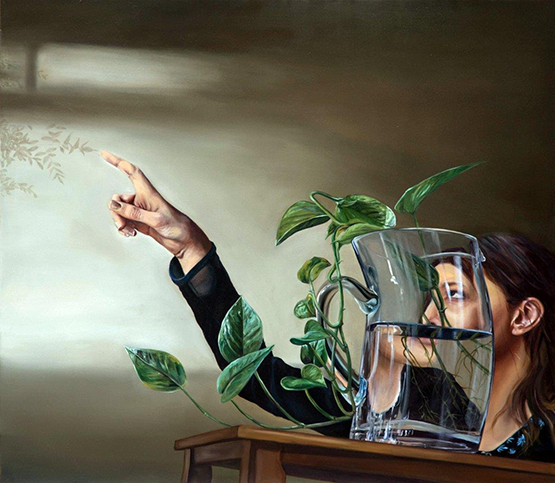
Six artists reveal their preoccupations, varying from concerns for Inequality and Gender discrimination to importance of love, to anxieties over after life. Hosting artists of Borjass Group, of ISOO Gallery based in Amol, for a second year, the exhibition includes works of seven artists with different mediums.
In his new series “Squint”, Hamid Asadzadeh, explores dual perceptions of same concept. In social spectrum that recognizes the symbol more than the axiom and surfaces more than meaning. This dual perception leads to clashes between two visions of same concept. In women of Forouzan Soleimani a defining moment in their lives is pictured. Instants that determines their fate. A moment after which return will not be possible. The paintings refer to the struggle between the inner self and the outside world and resembling Tide of oceans and the underlying force of gravity of earth. Akbar Rad finds humans engulfed in darkness. Surrendered and forgotten and in depths of loneliness. However the play of color and light in these paintings signal presence of hope. Mostafa Masoumi inserts his own mind in to famous paintings of History of art. A conjecture and remaking that connects the young artist to the giants of art. Shaqayeq Shabani registers the ever present emotions and torments. Agonies that she tries to console by covering female body with white paint. A solace for tired souls. Ali Fazeli uses Iranian Birth certificates to show the violations on personal identity. Even a personal document is constantly changing. A document that shows force of geography and dos and don’ts that shape the human identity. Farzaneh Gholizadeh emphasize is on decay of all creatures and concepts. By accepting this inevitable cycle and stressing the role of humans in their own demise as well as that of the nature, a new birth is promised.
Preoccupations
Farnaz Rabieijah, Hamed Rashtian, Nastaran Safaei, Amir Mousavizadeh, Ali Mousavizadeh, and Armin Pourfahimi
Opening at Aaran Projects on 30th June 2017, on view until 24th July.
Aaran Projects
No. 5, Lolagar st., Neauphle Le Chateau.
Tel +98 21 66702233
Working days, except Saturdays 1-7 PM and Fridays 4-8 PM.
Six artists reveal their preoccupations, varying from concerns for Inequality and Gender discrimination to importance of love, to anxieties over after life.
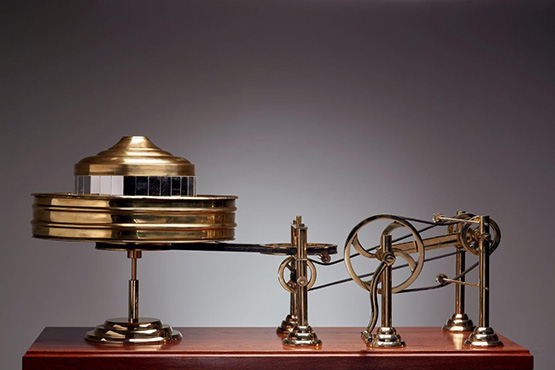
Armin Pourfahimi builds a temple for Manhood, and criticizes the Discrimination and Gender inequality in our society. Farnaz Rabieijah reveals her anxieties about death and continuity. In Reminiscence, a whooping nine meter length work on paper she traces plants on the fabric of paper, connecting cycle of nature to life of humans. Hamed Rashtian explores the repetitive nature of everyday life. A simple animation is shown on a handmade Praxionscope. Audiences are invited to create their own circle of repetition by manually operating the device. In Stepwise series, Nastaran Safaie paints old Persian rugs, a sac religious act against an ancient art that has taken centuries to perfect. Generations have walked on these carpets and she asks her own generation to take wise steps, prudently and with solid and persistent steps. Amir Mousavizadeh creates a gas station, and the joke is on the user. By falling deeper in to consumerism and devouring our own national wealth, we are accomplices to the international game of exploitation of oil rich countries. Ali Mousavizadeh pays tribute to beauty and importance of love in everyday life. Swans choose one mate and remain faithful to them for their whole life. At the time of death and by night they return to the place where they have met their pair and sing a beautiful song, having been silent most of their life time. A Death that is as beautiful as life itself.
Mahvash, Parivash and Friends
Amitis Motevalli
Opening at Aaran Gallery on 26th May 2017, on view until 9th June 2017.
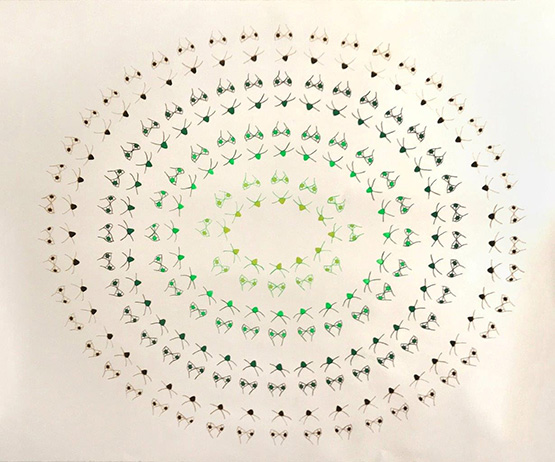
“Mahvash, Parivash and Friends” is the second solo exhibition of Amitis Motevalli at Aaran Gallery. Named after pop singer Jalal Hemati’s song, “Parivash”, the exhibition consists of watercolor paintings on paper as well as a mixed media installation as part of an ongoing exploration into women’s labor and a continuation of concepts from her “The Stretch Manifesto” series. The paintings and installation present themselves in a simulacra of abstraction while simultaneously referencing the human body without the actual presence of the body.
The paintings, while minimalist in aesthetic, are meticulous, each shape had drawn and painted. Each painting is the result of days of painstaking work, wherein the artist’s process echoes the tedium of the women’s labor she represents symbolically. Intentionally painted to look like screened or stamped prints, the near identical repetition becomes a metaphor for market and surplus, in an industry that commodifies humans yet can not mass manufacture the body through automated means.
The paintings evoke a narrative while repeating shapes and forms through geometric patterns. They incorporates the tenets of Islamic Art, mathematical abstractions of shapes and form, without the use of the human figure, yet the figure remains hauntingly present even with its absence. It can even be assumed that the absence of the body and presence of only the wearables elevate the figures referenced to a holy status.
With minimal means and simple shapes through fabric, the installation directly engages the architecture of the gallery space. The negative space becomes as active and important as the objects engaging the space. Upon entry, the shapes and the negative space created by them pull viewers into the position and perspective of an invisible workforce. We become part of a secret world of commerce, exchange and women.
Revolutionaries: The First Decade
Kaveh Kazemi
Exhibition and book Launch (published by Nazar Art Publications)
Opening at Aaran Projects on 19th May 2017, on view until 9th June 2017.
Aaran Projects
No. 5, Lolagar st., Neauphle Le Chateau.
Tel +98 21 66702233
Working days, except Saturdays 1-7 PM and Fridays 4-8 PM.
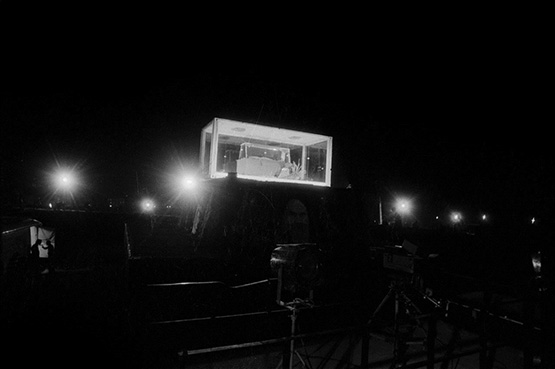
Revolutionaries covers a tempestuous decade in Iranian contemporary history. Return of Kaveh Kazemi to Iran coincided with the beginning of revolution in autumn of 1978 and he found himself among masses demanding the end of Shah’s Regime. Images chosen for this book and exhibition are part of a substantial archive of black and white photographs that tell the tale of a very difficult time in our history.
The obvious dynamism and tension in these images are self evidentiary. The interplay of conflicting elements and the suspense and the constant movement of photographer are part of the magnetism of this selection. More than three decades later these images can still evoke emotions and remind us of truth and of sorrows that we can not name.
Artists’ unique vision and his obvious passion for photography, next to major events and upheavals in this exceptional decade, will certainly be an important and valuable addition to the visual memory of the country.
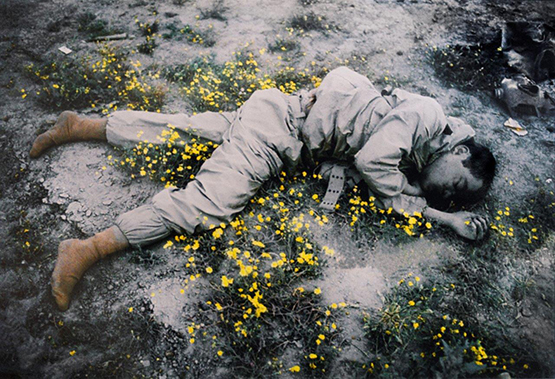
Kaveh Kazemi was born on October 1952, in Tehran, Iran. His photographic career started in the beginning of Iranian revolution in 1978 and has spanned for more than three decades covering Iran, the region and the world working with major international Media as a freelance photojournalist. His pictures have appeared notably in Time, Newsweek , New York Times, Stern, Der Spiegel, Paris Match, L’Express, Figaro Magazine and Geo. The Crying Soldier picture taken in the early days of Iran-Iraq war on the western front gained international recognition and has been categorized as a war classic. He has covered many different regions of the world including Northern Ireland, Lebanon, Nicaragua, Cuba, Yugoslavia, Afghanistan, Indonesia, Syria, Cyprus, Azerbaijan, Armenia and Iraq. Lately he has covered conflicts in Syria in 2012, Mosul Iraq in 2016, and FARC demobilization camp in Columbia in January 2017.He continues to work and cover the region.He is represented by Getty Images where all his archives appear online starting with the coverage of Iranian Revolution to present day.
Four Seasons, Studies for Carpet Weavers
Solo exhibition of Hadis Fakhr
Opening at Aaran Gallery on 12th May 2017 on view until 21st May 2017.
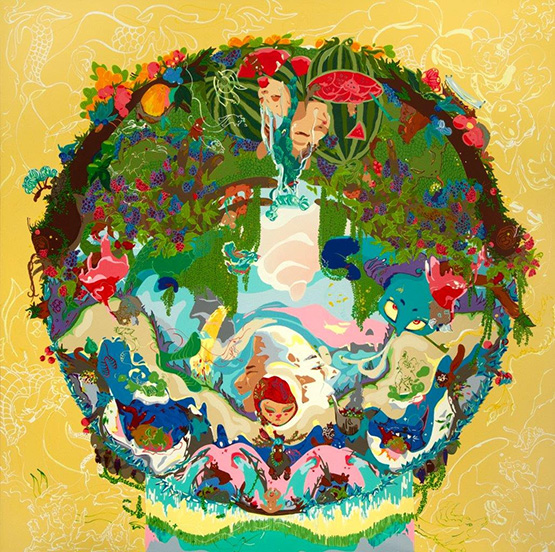
In carpets of Hadis Fakhr, ardent flames, next to gaily blooms and splashing fountains and rippling cascading pools are cool retreats for sore-wearied limbs and tired hearts. In this organized chaos there is the promise of fertility and abundance, of invisible and elusive realities.
In her suggestions for Contemporary carpets, the young artist gathers her fanciful creatures and crafts a unique playful and joyous world. Hers is a fantasia of enchanting rhythms; emerging, retreating and reversing. In her wild compositions her visual dynamism takes shape and the fairy land becomes real. Within these dream like foliages, and sparking tones, magical creatures reside in an everlasting spring.
In super charged panels an exceptional imagery is formed, where her creatures resembling Japanese Manga characters, dwell on Persian carpets and mischievously act in sequences, moving from one panel to the next one. In a back drop of utopian themes, Hadis Fakhr successfully blends her imagination with the classical lines and compositions of legendary Garden Carpets of Iran.
In each panel artist weaves her own concept in to the fabric of the carpet: in “Heaven and Hell”, the two worlds change place; hell becomes this enjoyable place and heaven is a supremely boring place. Our young Bard tells the story of changing of seasons, with dragon wrestling matches and peacock dancing competitions and the ever present naughty and wildly free Fox. At the end all conflicts are reconciled, all creatures in confederation blendlike a chorus singing, rejoicing, floating; yet anchored in eternity and in the safety of the Garden.
Hadis Fakhr is the supreme story teller. She lives within her stories, a wondrous world created to safely deliver her and the viewers to a place where beauty and joy are the redeeming answer to chaos, frustration and insecurity that has governed our land for generations. It is this level of competence and commitment that drives the young generation to persist on their own capabilities and is the source and merit of Iranian Arts for generations to come.
Nastaran Safaei
Presenting series “Beyond and Above”, “Monuments For That Which is Forgotten”, and “Body Impressions”
Opening at Aaran Projects on 21st April 2017, on view until 12th May 2017.
Aaran Projects
No. 5, Lolagar st., Neauphle Le Chateau.
Tel +98 21 66702233
Working days, except Saturdays 1-7 PM and Fridays 4-8 PM.
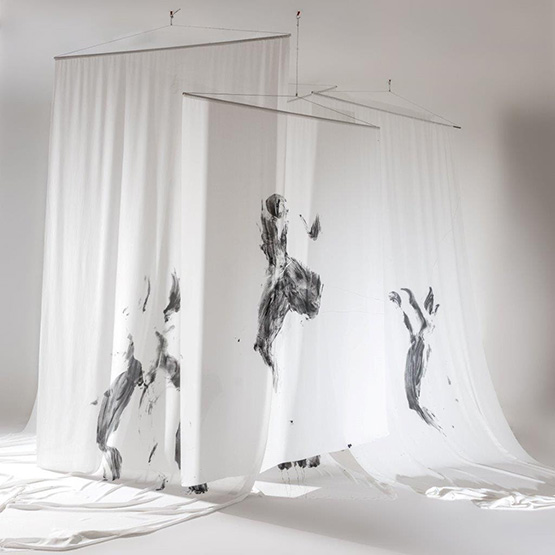
Presenting three sets of recent works, Nastaran Safaei reveals her probing mind and restless quest in her artistic endeavor. In the series, Monument To That Which is Forgotten, she echoes words that are important to her; tranquility, silence, instant, and intuition. She builds monuments to these words to remind herself of importance of what is essential and ought not be lost in the hustle and bustle of everyday life. She coats these Totem like sculptures with cement and sacred soil of her land, wishing them to become eternal and to inspire others as well.
In her second series Above And Beyond, ink transfers body impressions on to canvas fabric. Emotions and unconsciousness are registered through the thinnest of mediums; the Skin. The impact of texture of body, at first pallid and then defined, tranquility and movement and the repetition of the cycle, reveals the connection and disconnection of self with the outside world.
In the series Body Impressions, the dots and dotted lines, register and connect the path of evolution of artist. The intimacy and playfulness in these three sets of works are indicators of her perseverance and maturity and are the fruit of her labors in the last one decade.
Versus of Oblivion
Solo painting exhibition of Roghayeh Najdi
Opening at Aaran Gallery on 14th April, on view until 1st May 2017.
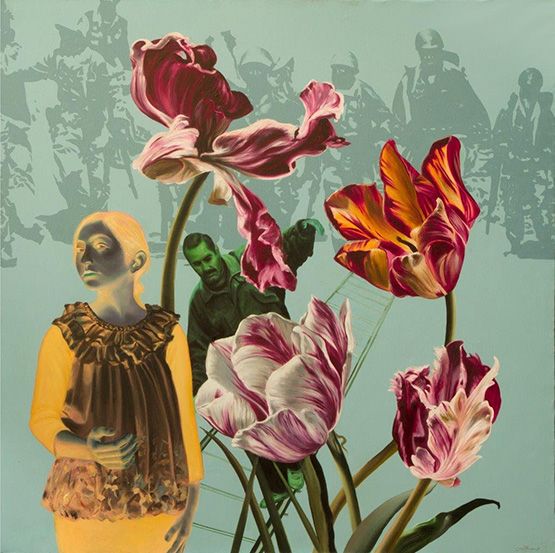
For a whole generation of Iranians, childhood was a passage between bewilderment and awakening. The experience of living through years of revolution and the imposed war, exposed them to images, emotions and vocabulary that was not supposed to be part of their childhood. The fears and conflicts of those years has had its profound effect on every day decisions and desires. At the same time the insecurity that a nation has felt for many years has evoked fundamental human craving for life; for color, patterns, and flight of fancy.
In her first solo exhibition Roghayeh Najdi pictures a past that is shared by millions of other children. By painting Negative images of children, with a backdrop of unrest and inherent violence, she speaks out against imposed war and violence and the ever increasing threats of war and hostility in her home country as well as in the region .
The illusionary quality of what she remembers is a tangible shroud that covers the paintings. In these layers of reality, dream, and illusions a unique formation takes shape. Vivid colors are in contrast with the grey years of life in Iran and the astounding beauty of the wild flowers are a reminder that ultimately nature can’t be restrained and eventually human spirit is capable of overcoming a great number of obstacles.
The Versus of Oblivion is a collection of wondrous imagery by a young female Iranian artist who is trying to recall all of the past, and today she is determined to live her life to its fullest, despite the past; defiant stand of an artist who is committed to renounce darkness and ultimately to defeat spite.
Parkingallery Projects in collaboration with Aaran Gallery, Rooberoo Mansion, Polish Embassy in Tehran and New Media Society presents:
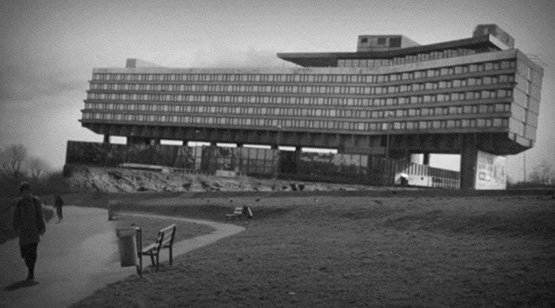
LIMITED ACCESS 7
International Festival for Moving Images, Sound and Performance
April 7-12, 2017
Closing Event: Rooberoo Mansion
April 14, 2017
Venues: Aaran Gallery, Rooberoo Mansion, Aaran Projects, and New Media Projects
Curators: Rambod Vala, Pouria Jahanshad, Amirali Ghasemi, Leonie Roessler, Helia Hamedani, Pooya Abbasian, Sohrab Kashani, Dafne Narvaez Berlfein, and Magdalena Ziolkowska
For daily program please visit:
www.limitedaccessfestival.com
Limited Access Forum 7, will showcase latest from the vibrant and often unseen video art scene of Iran
Other programs are:
Art, City and the Politics
Curated by Pouria Jahanshad
Researcher of interdisciplinary studies between movie and contemporary art and director of Fresh Documentary Event Group
Sentimental Punk
Curated by Dafne Narvaez Berlfein
Procedures of Everyday Practice
Curated by Magdalena Ziółkowska
Part of Seismograph on tour
Partner: Bunkier Sztuki Gallery of Contemporary Art, Krakow
Remote Homecoming Chapter Two
Curated by Amirali Ghasemi
From Parking Video Library
Remote Homecoming is a platform designed to bring videos made by Iranians across the border remotely back home, and to bridge the gap between so called “inside” and “outside”.
From Here to There
Curated by Leonie Roessler
A playlist of recent electronic works from artists who are playing the field now. True diversity in sound and heritage – Iranian, Italian, Dutch, Spanish, Irish – to name a few. Made of real sounds and artificial ones, ranging from direct to sharp to static to quickly moving to grand to elusive…
Compiled for Limited Access 7, to be heard in concert and then as an ongoing installation.
Re-visit; Early Iranian Videos from 90s
Curated by Parking video Library
Re-visit tries to showcase some early examples of Iranian video art from mid 90s to 00s.This research-screening overlooks at a decade of this rather emerging practice in the context of reappearing the term “Iranian contemporary art”.
Afterimage
Curated by Rambod Vala
Untitled, An Animation program
Curated by Pooya Abbasian
PARALLEL PROGRAM
Pejman Foundation: Kandovan
Shattered Frames: Recent video work from Iran
Curated by Sohrab Kashani
In collaboration with Conflict Kitchen and the Center for the Arts in Society at Carnegie Mellon University.
Sharpness
Majid Kamrani, Zahra Ghyasi, Maryam Farzadian, and Hooman Bayat
Opening at Aaran Gallery on 24th February 2017
On view until 6th March
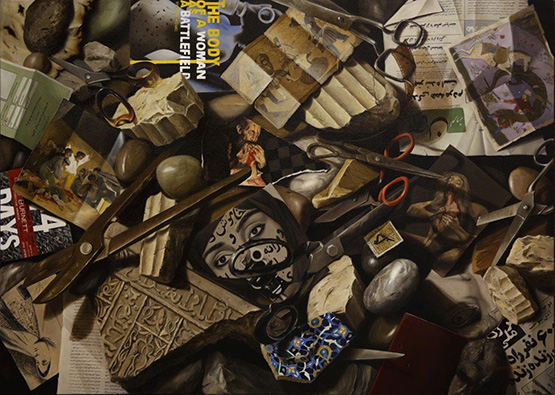
This exhibition attempts to bring together works that are sharp, crisp and well defined. The artists whose works are displayed are extremely focused not only on their impeccable technique but on their subject matters. They paint Real things and objects and by representing key characteristics of their subjects, they offer a different reading of that which is Real. Through the process and proficiency in their chosen media, these artists are capable of interacting with reality, and infuse their own emotions, social values and perception of the world. The Sharpness of images in these highly detailed paintings, are perplexing for the viewers, leaving them wondering whether they are photographs or paintings. In these highly narrative paintings each creates a cutting edge unique world.
Majid Kamrani, explores today in the passage of yesterday. He frequently moves between memories and present day realities. He celebrates the life of his mother, a lady who raised her children at the wheel of her sewing machine. The purity of feeling and the emotional nature of these self portraits are awe-inspiring; a moment away from the disheveled and difficult everyday life in order to be reminded of that which is truly beautiful.
Zahra Ghyasi, creates accidents that are inspired by imagery from crash-tests at automobile factories. She concentrates on the moment of clash and the rush of adrenaline and successfully portrays the force of impact. Allegorically, the clash of cars are to remind us of violence but artist is not interested to show the after math of the accident, the aim is to show banality of evil. Having lived in different countries, through her paintings she is determined to create a new reality, one that is her own and is actual and can’t be taken away from her.
Maryam Farzadian, creates a definitive rendering of certain objects that can both be used as tools for building and offer gratification or become instruments of destruction and cause pain. It is possible to imagine that history and collective social memory is hidden in the layers of these paintings. The narrative and emotive qualities of these works render their own reality; Textures, facades, lighting and shadows are more pronounced than reality of any of the objects, reminding the viewer that “objects in mirror are closer than they appear”.
Hooman Bayat, using wide brush strokes, artist is able to create crystal clear images. By painting symbols of multinational brands, such as Coca Cola, artist references the status that these objects have gained in everyday life, symbols and objects which will remain recognizable long after we are gone. In his paintings the objects replace humans and show diversity and create a new kind of still lifes. More often than not the objects are broken and smashed, and reference triviality of material. At the same time critic of abuse of natural resources and wastefulness in our society is detectable.
Life Lines
Amir Hossein Akhavan
An exhibition to benefit Persian Wildlife Heritage Foundation
In Collaboration with Etemad Gallery
Opening at Aaran Projects on 3rd February 2017, on view until 10th February.
Aaran Projects
No. 5, Lolagar st., Neauphle Le Chateau.
Tel +98 21 66702233
Working days, except Saturdays 1-7 PM and Fridays 4-8 PM.
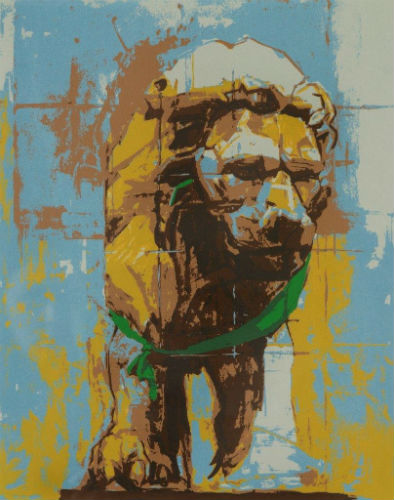
The technique and compositions that Akhavan employs leave us with no other way of seeing them. His creatures are not meant to evoke a sense of nostalgia. They are not “beautiful” in the classical, nature sense. We won’t get a chance to regret having lost what used to be. We find ourselves in an art gallery in the middle of Tehran, faced with pixelated images that from a distance can form an impressionistic whole. Tehran, in turn, is a pixelated ecology that draws insatiably from its natural surroundings. It attracts resources from near and far. It is a city connected to the planet in direct ways. As citizens of this city, we have access to products that come from all corners of the world, neatly packaged in a promise of good things to come. We, citizen, it, Tehran, want more – food, comfort, and the promise of good things to come. So on and so forth…
Excerpt from catalogue by Sohrab Mahdavi
Persian Wildlife Heritage Foundation is an Iranian not-for-profit non-governmental organization funded by the public. It operates under license granted by Iran’s Department of Environment and is supervised by a Board of Trustees that sets the policies and budgets and oversees all financial activities.
Goals and mission PWHF was established to help safeguard our natural heritage, with a clear focus on wildlife and natural habitats. It is our mission to improve the conditions of and reduce pressures on wildlife habitats by conducting biological and social field surveys, direct conservation actions on the ground, raising ecological awareness amongst local communities.
Join to Save the Wild.
Website: http://www.persianwildlife.org
E-mail: info@persianwildlife.org
Facebook: PersianWildlifeHeritageFoundation
Instagram: @persianwildlife
Youtube: PersianWildlifeHF
A Few Credible Stories
Group Exhibition
Opening on 20th January 2017 up to 31st January 2017.
Aaran Projects
No. 5, Lolagar st., Neauphle Le Chateau.
Tel +98 21 66702233
Working days, except Saturdays 1-7 PM and Fridays 4-8 PM.
Artists: Parastou Ahadi, Doras Asadi, Shabnam Lohrasbi, Roghayeh Najdi, Pooneh Oshidari, Mahdieh Pazoki, Leyli Rashidi Raouf, Nastaran Safaei, and Rene Saheb.
The story is that Shahryar, the king finds out that his wife is not virtuous and decides to marry a virgin every night, and to behead them by morning, allowing no time for unfaithfulness. He carries on in this manner until his choice falls on Sheherazade, the daughter of the vizier. The king did not know that Sheherazade had studied philosophy and sciences and arts and that she was pleasant, polite and clever. Her stories and ingenuity and wisdom, changed his attitude and outcome of the night, and she continues to inspire and influence the world after centuries from inception of the story.
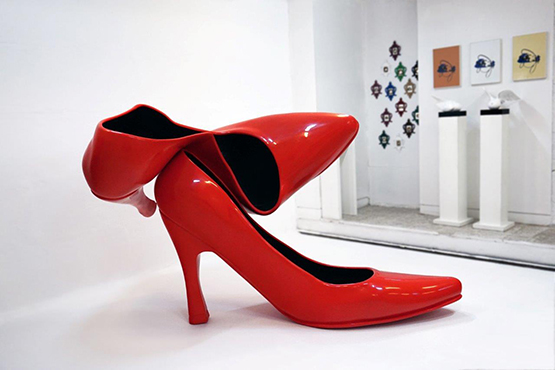
This exhibition assembles works of nine female story tellers, stories that can only be narrated by women. The aim is to demonstrate their tenderness and initiative and to celebrate their perseverance and humility. Each have found their own unique visual language; a language of compassion and sensitive approach to mostly social issues with emphasize on their own standing in life and the peripheral.
In 1936, twelve women entered Tehran University and as of 2006 women account for more than half of university entries in Iran, however everyday life is mostly controlled by male decision makers, who habitually are not ready to relinquish control or to share power. The dynamic presence of women in every arena in Iranian society today is the result of years of perseverance and determination of generations past and wise men who chose to support them.
It is said that Ishtar the Goddess of Love and power, approaches the gates of the underworld and demands that the gatekeeper open them:
If thou openest not the gate to let me enter
I will break the door, I will wrench the lock
I will smash the door-posts, I will force the doors…
Secrets of Oblivion
Solo exhibition of Amir Nasr Kamgooyan
Opening at Aaran Gallery on 27th January 2017
On view until 9th February
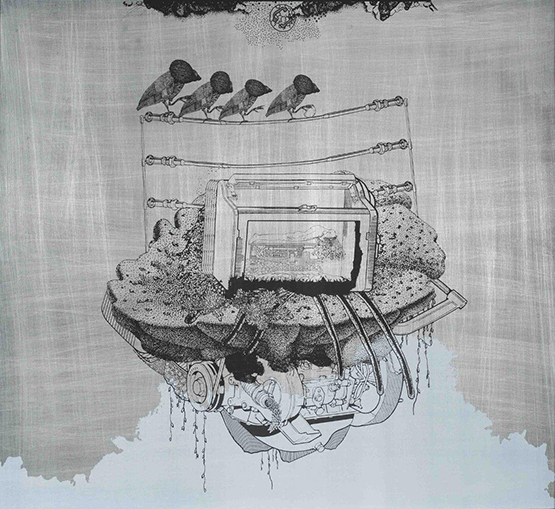
In spite of their intricacy and interwoven quality, Amir-Nasr’s works, similar to scientific illustrations, seek to illuminate and elucidate. Through disorder and collages, he makes his way to purity in a counter-intuitive fashion. He is searching for the purity of material through an industrial procedure. In the interwoven mechanical, natural, and imaginary motifs, he experiments with a movement in the opposite direction towards the natural roots. The movement from a monolithic, harmonious, orderly mechanism to a fragmented, discordant, disorderly organism. In his approach, the image and the process of making the image have the same value. In fact, what comes into view is not all, but half of it, and indeed, a trace of it.
Despite the works’ fascinating and appealing quality, as well as their visual complexity, Amir-Nasr does not aim at a definitive and decisive revelation; or conveying a message. Rather, he takes a twisted path to the inside, to forget, in order to remember the fountainhead. His oblivion tries to de-industrialize the heart of methods and industrial materials. It moves from mechanical geometry to natural geometry, taking apart the engineered symmetries of the pieces of the mind, throwing their construction borders into disarray.
Excerpts from Catalogue by Behrang Samadzadegan
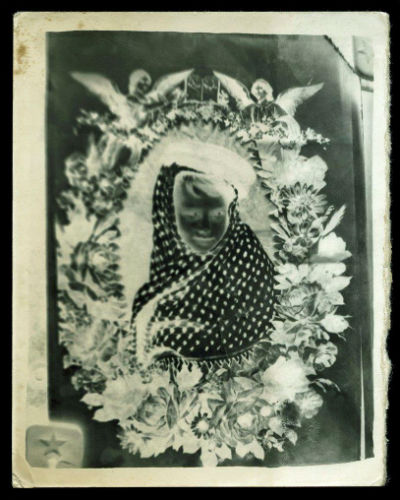
The Life of an Itinerant Through a Pinhole
Portraits and places by Gholamreza Amirbeigi
Narrated by: Behzad Khosravi Noori
Opening on 30th December 2016 up to 16th January 2017.
Aaran Projects
No. 5, Lolagar st., Neauphle Le Chateau.
Tel +98 21 66702233
Working days, except Saturdays 1-7 PM and Fridays 4-8 PM.
Excerpts from catalogue:
The photographs are the story of the life of a people who migrated to Tehran after the Second World War, a migration that lasted until 1956 due to the effects of war and the subsequent economic devastation and epidemic bankruptcy of smaller cities. This particular group of people migrated from Maimeh, a small city halfway between Kashan and Isfahan in the center of the Iranian plateau. They found a place to live in the southwest District 17 of Tehran; near Emamzadeh Hassan, the most populated district in Tehran with 4 times the population of other districts. (Behzad Khosravi Noori)
I have looked at all the photographs. I walk my mind throughout the atmosphere of all these photographs and I pause here where the collection breaks from tradition and extends beyond the framework of the role and function of photography during grandfather’s period of productivity. It is the impromptu situations, or the relaxed and unconstrained themes as well as the photographer, or the departure from the routine redundant posing for the camera, the unnecessary arrangements of black drapes and the disregard for the macro-standards of photography of that era, meaning distancing from the common passage of events before the lens in order to keep a connection with time and history; and of course, memorialization. (Pirooz Kalantari)
Behzad Khosravi Noori has laboriously retraced the technology behind these pictures and found its origin. This apparatus is a rudimentary camera obscura; basically a pinhole camera of the type that is still today used in e.g. Afghanistan, in Brazil and on Cuba. He also tentatively identified the person referred to above as ‘Pilgrim’ and ‘Revolutionary’ as his grandfather, Gholamreza.(Charlotte Bydler)
Photographs are more than images. They are social objects, filled with alternative histories. They evoke memories, stories. They tell stories of the social changes in the contemporary Iran from below. Today, more than a half century after the photographs were taken, photographed subjects, men and women, old and young have entered the exclusive art salons, looking back at us and demand recognition. A recognition they have been denied while alive. (Shahram Khosravi)
Behzad Khosravi Noori (Tehran 1976) is an artist and writer based in Stockholm and Tehran. He graduated from Tarbiat Modares University in Tehran, with a Master in Motion Picture and Master in Art in Public Realm at Konstfack University College of Art and Design, where he focused on multiple identities within the discourse of European multiculturalism and hyper-politicized socio-political environments. Currently he is holding a PhD position at Konstfack/KTH in Stockholm.
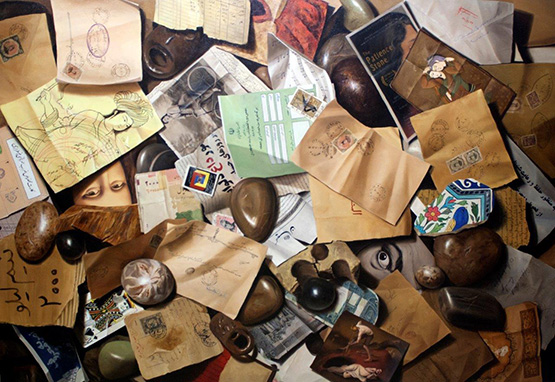
The Cold Sonata
Solo exhibition of Maryam Farzadian
Opening at Aaran Gallery on 23rd December 2016
On view until 5th January
Stones, scissors and discarded bits and pieces of paper are thrown in a game of chance; Rock, paper, scissor. Through careful compositions, Maryam Farzadian breaks up the rules of the game: in her game there are infinite suggestions and possibilities and there are no clear winners. The basic tonal melody of her Sonata is destruction and chaos and the final results are unfinished pieces by the composer.
The sharpness of images in these paintings that are the result of years of training, create a definitive rendering of the objects that can both be used as tools for building and offer gratification or become instruments of destruction and cause pain. It is possible to imagine that history and collective social memory is hidden in the layers of these paintings, events that artist hints at. The narrative and emotive qualities of these works render their own reality; Textures, facades, lighting and shadows are more pronounced than reality of any of the objects, reminding the viewer that “objects in mirror are closer than they appear”.