Group Exhibition
Opening on 12th June 2026
On View until 3rd July 2026
Curated by Mahoor Toosi
Assistant: Mahta Azimi
Artists: Arezou Zandi, Amir Karimi, Anahita Darabbeigi, Tina Sadeghian, Khashsyar Farhat, Hejazi Sisters, Delaram Zakeri, Rozhan Bagheri, Saeede Mighani, Solmaz Nabati, Siavash Sohrabinia, Ali Shayeste, Kazhal Fakhri, Koosha Moossavi, Mobina Fallah, Mohammad Eskandari, Masoud Soheili-Nezhad, Nafiseh Moeini
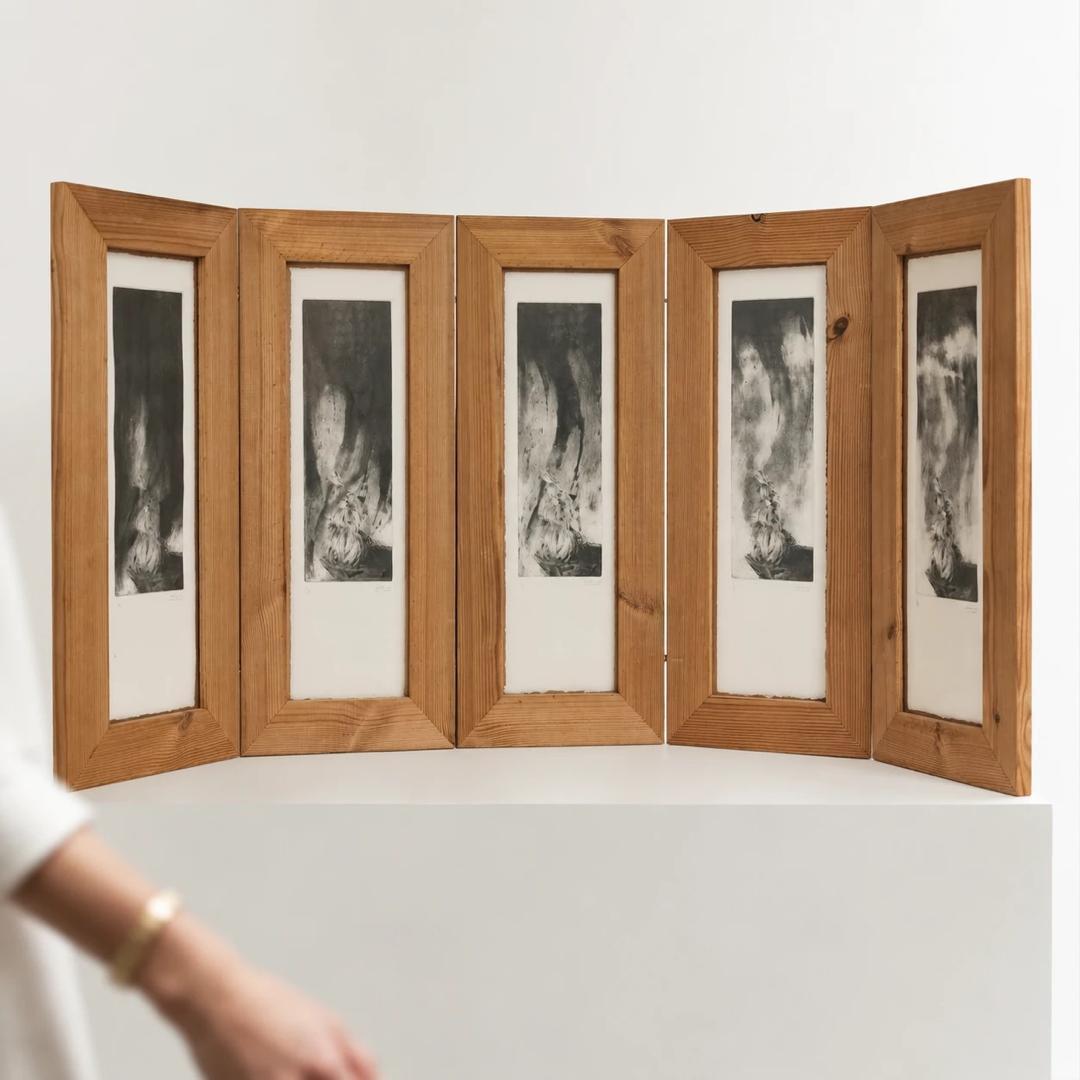
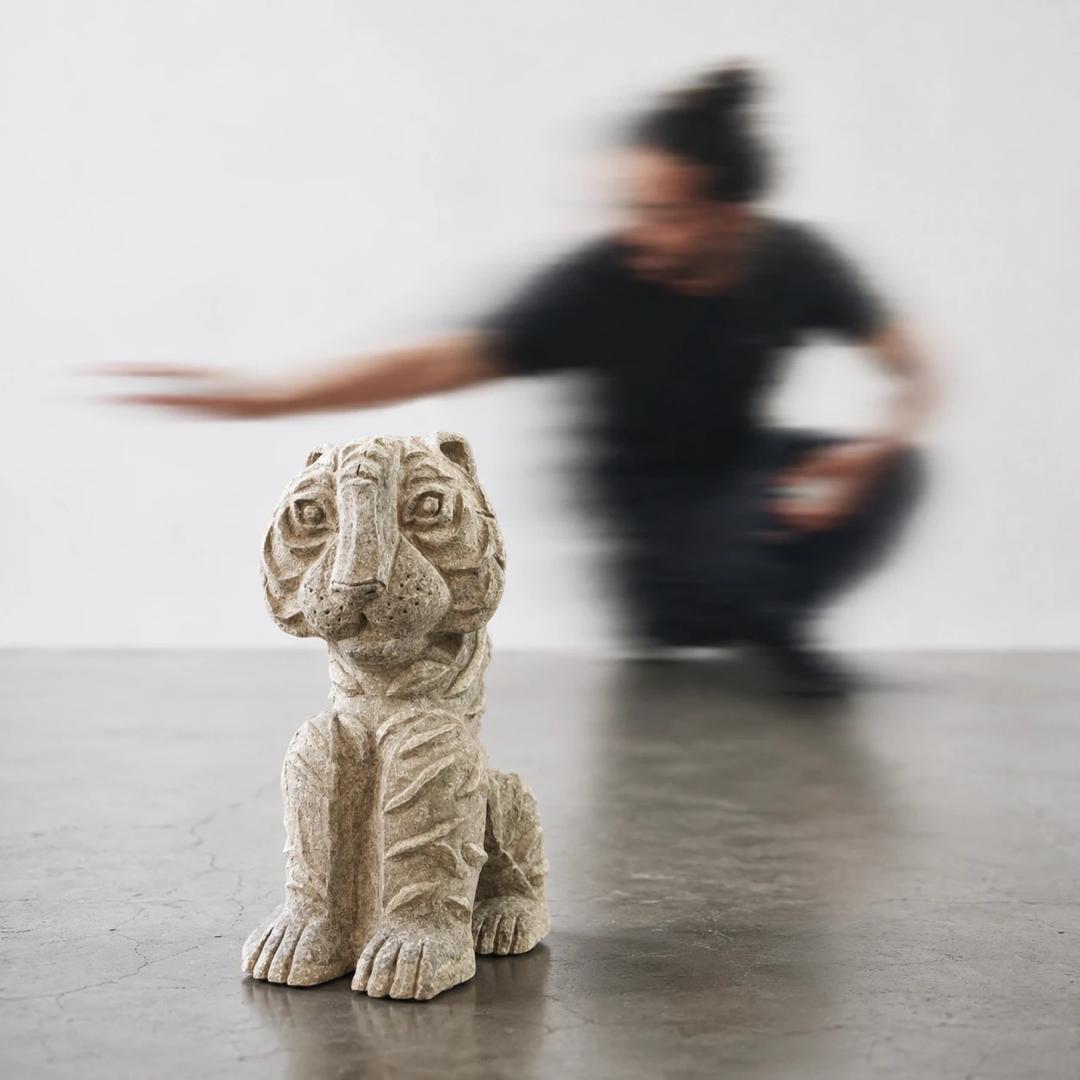
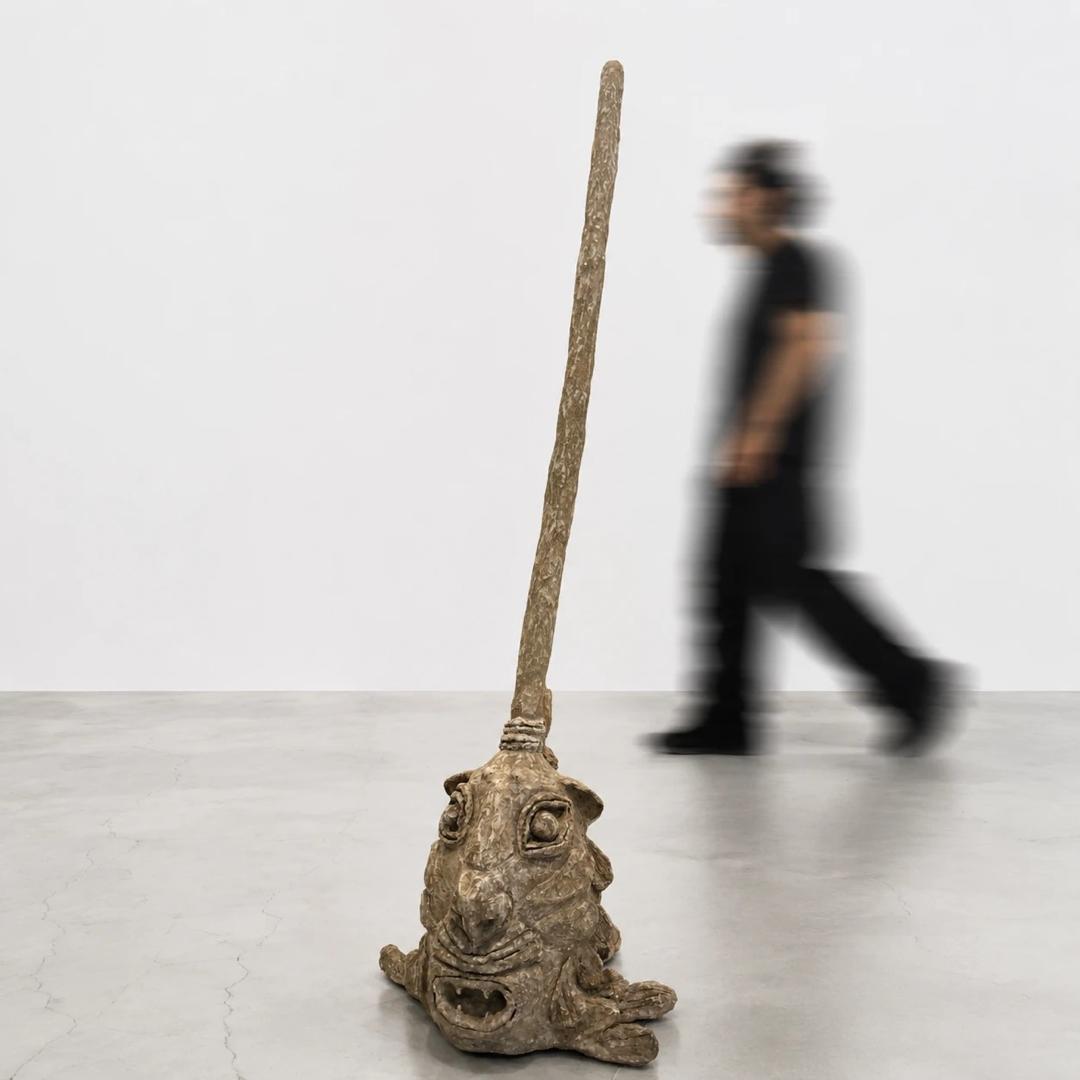
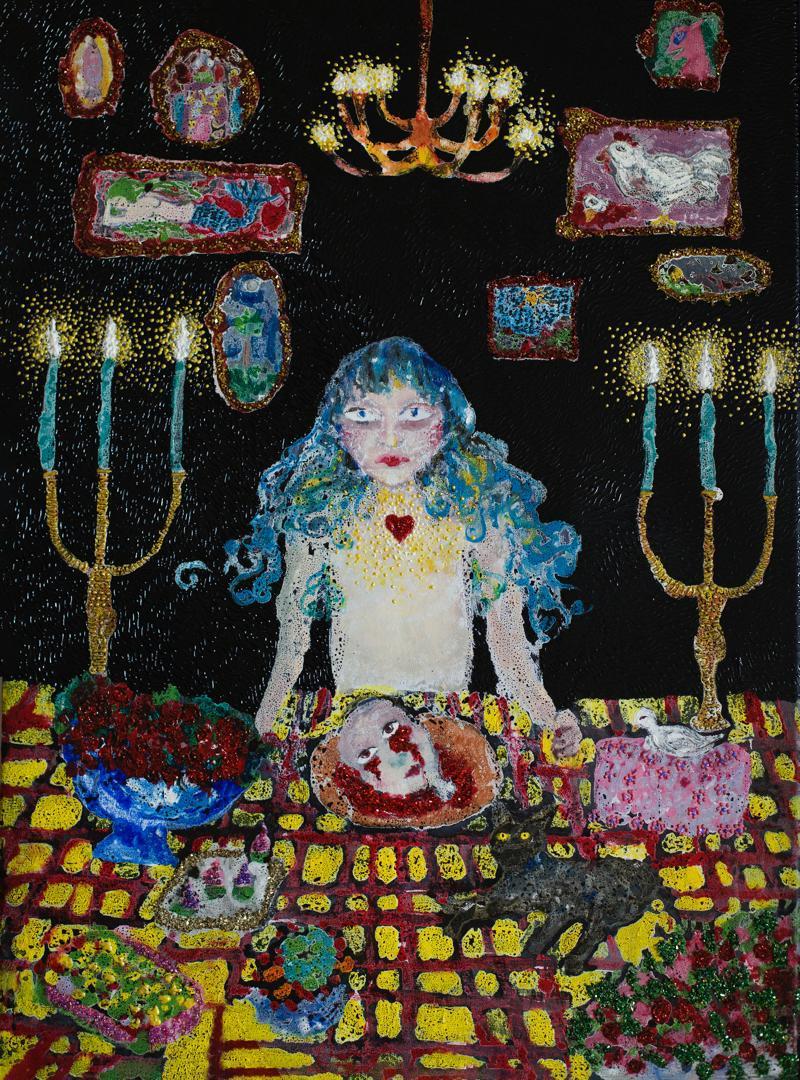
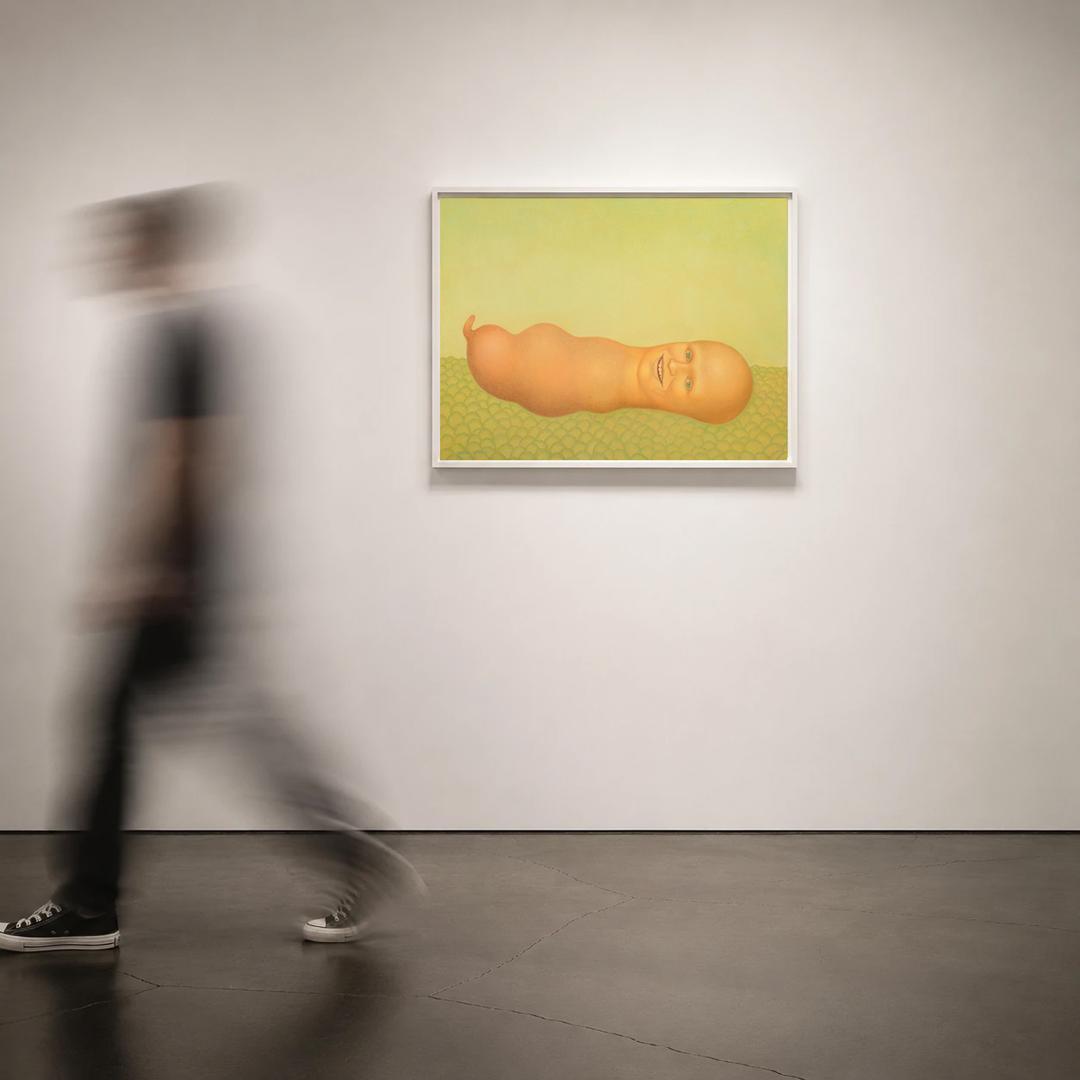
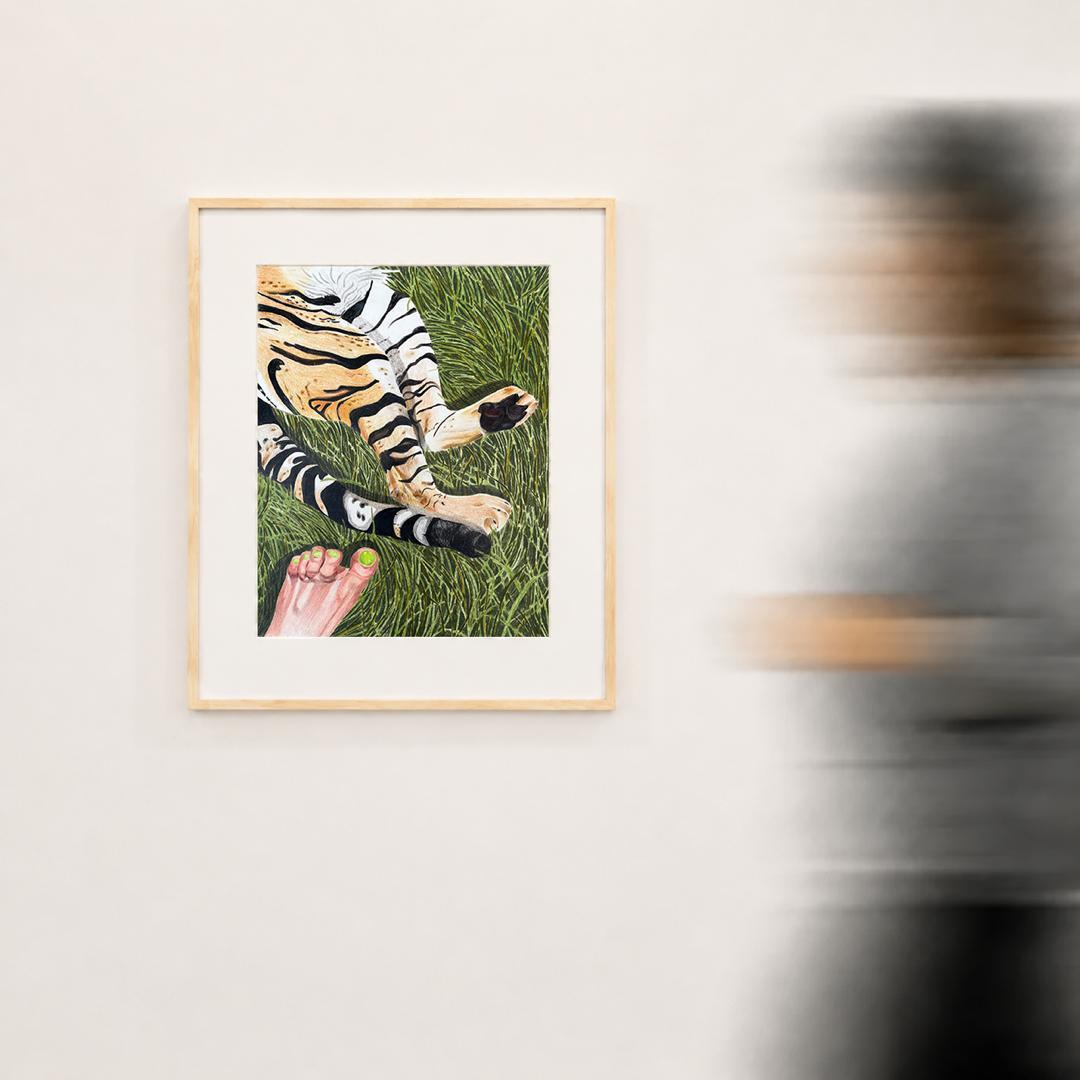
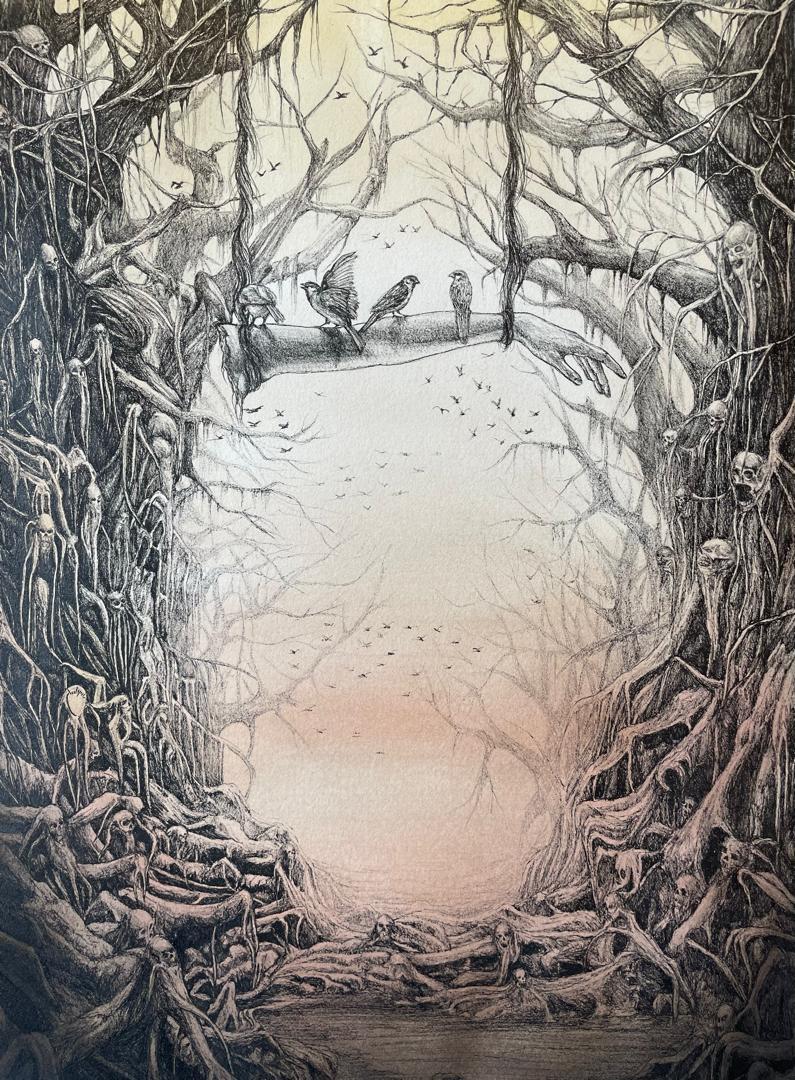
From this side of the world where we stand, one question has always occupied our minds: What will happen? A question born of anxiety, whose speaker seeks only one answer: It will be alright. A question emerging from repeated experiences of rupture and instability, from moments when the course of events slips beyond our will and predictability gives way to ambiguity and fate. This question arises from living within a condition in which our agency is often overpowered by forces external to ourselves; a world where, instead of constructing the future, we attempt to decipher it. Within the genealogy of culture, the Eastern mind has repeatedly been described as intuitive and revelatory: a mind that, rather than relying on archiving, categorization, and deductive logic, leans toward inspiration, direct perception, oral narration, and short-term answers. Yet this distinction has often emerged not from systematic study, but through Hasty Generalization: conclusions hastily drawn from limited observations, conclusions that overlook other forms of understanding and meaning simply because they do not conform to Western-centered models of rationality. Even Carl Gustav Jung, in his introduction to the translation of the I Ching, approached the subject sympathetically yet through a similar lens. By emphasizing the fundamental difference between Eastern and Western mental frameworks, he understood this non-linear and non-causal encounter with the world not as a deficiency, but as a possibility — a means of entering a network of meanings and the collective unconscious inaccessible to analytical reason. In this project, we do not attempt to criticize this distinction, nor do we seek to resolve it. On the contrary, we use it as the raw material of our work. By returning to the text of the I Ching and through the process of divination, we search for the starting point of artistic creation within a world of accidents and signs, without contaminating it with argumentation or logic. We allow meaning to emerge through an indirect and indeterminate encounter.
Mahoor Toosi